A Road Trip on the most Scenic Route in China – Route 318
Introduction – Tibet and Lhasa
A trip to Tibet and its capital city, Lhasa, is a truly extraordinary experience that offers a unique blend of natural beauty, rich cultural heritage, and spiritual significance. Here are some of the aspects that make this journey so captivating:
Stunning Natural Scenery:
Tibet is known for its breathtaking landscapes. The region is home to the world’s highest peaks, including Mount Everest, and offers spectacular views of the Himalayas. You’ll encounter serene lakes, lush valleys, and vast plateaus that seem to stretch into infinity.
Spiritual and Religious Significance:
Tibet is often referred to as the “Roof of the World” and is a center of Tibetan Buddhism. Lhasa, in particular, is home to numerous monasteries and temples, with the iconic Potala Palace being the most famous. The spiritual ambiance and the devotion of the Tibetan people are deeply moving.
Potala Palace:
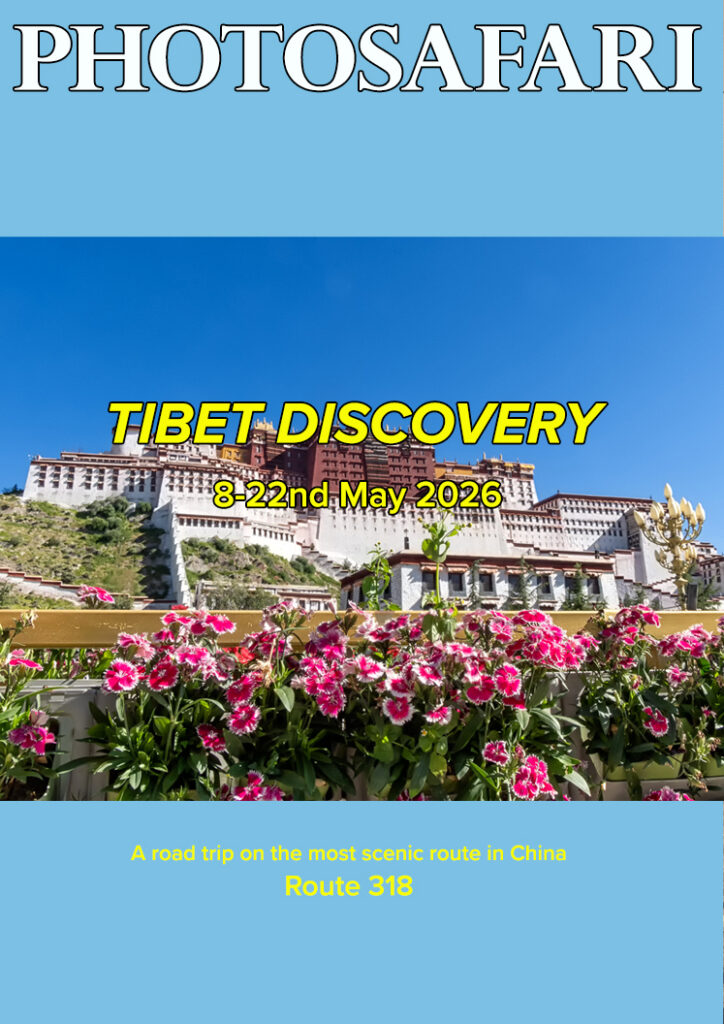
This UNESCO World Heritage site is the former winter residence of the Dalai Lama. It’s a masterpiece of Tibetan architecture, perched atop a hill in Lhasa. The intricate artwork, gold-plated roofs, and the historical artifacts inside make it a must-visit attraction.
Jokhang Temple:
Located in the heart of Lhasa, the Jokhang Temple is one of the holiest sites in Tibetan Buddhism. It’s a place of pilgrimage and is surrounded by a bustling market called the Barkhor, where you can experience the vibrant local culture.
Tibetan Culture and Traditions:
The Tibetan people have a rich and unique culture that revolves around their spiritual beliefs. You can witness traditional dances, music, and rituals during your visit, and you’ll have the opportunity to interact with locals and learn about their way of life.
Tibetan Cuisine:
Try traditional Tibetan dishes like momo (dumplings), tsampa (roasted barley flour), and yak butter tea. Tibetan food is hearty and well-suited to the high-altitude environment.
High-Altitude Experience:
Lhasa is one of the highest cities in the world, situated at an altitude of around 3,656 meters (11,975 feet). While this can present altitude-related challenges, it also adds to the unique character of the trip. Acclimatization is important to fully enjoy the journey.
Hospitality and Warmth:
Despite the harsh environment and challenging living conditions, the Tibetan people are known for their hospitality and warmth. You’ll likely feel welcome and cherished during your visit.
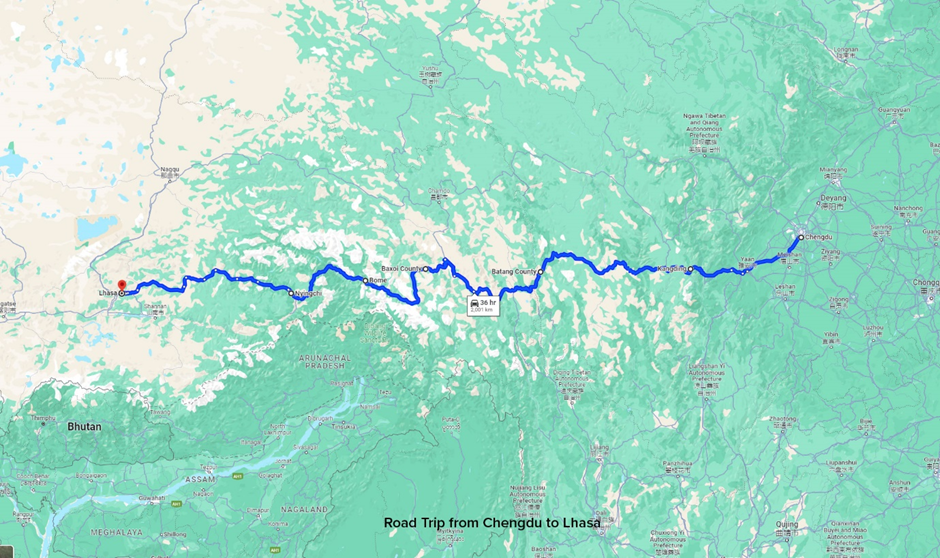
Road Trip from Chengdu to Lhasa via Route 318
A road trip from Chengdu to Lhasa via Route 318, the Southern Route is a breathtaking adventure through some of the most scenic and remote areas of China and Tibet. This route takes you through the heart of the Tibetan Plateau, allowing you to experience the unique culture, stunning landscapes, and high-altitude challenges of the region.
The leisurely pace of ascending to Lhasa minimizes the chances of suffering from Acute Mountain Sickness (AMS). It gives time for the body to acclimatize and adapt to the high altitude. We have organized a road trip from Xining to Lhasa in 2014. There were 15 participants and none of the participants suffered from AMS.
Best Time to Go:
The best time for this road trip is during the late spring (May to June) or early autumn (September to October) when the weather is relatively mild, and the roads are more accessible. Avoid traveling during the winter months when the roads can be icy and dangerous.
Permits and Regulations:
Travelling to Tibet requires other permits besides the Chinese Visa. The permit requirements are more stringent for foreigners. We will handle the permits.
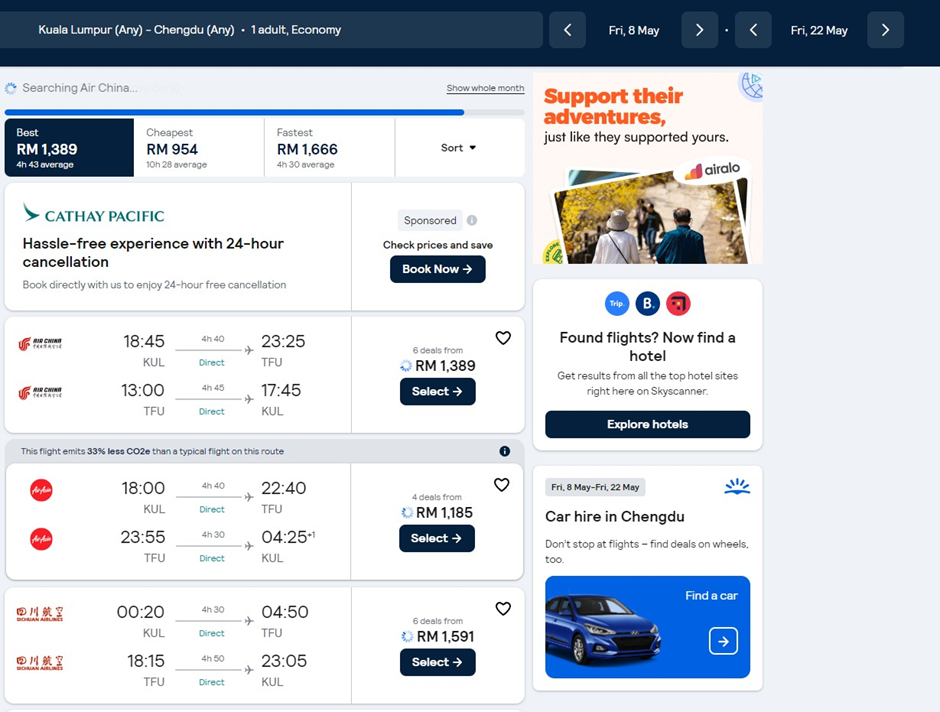
How to get to Chengdu?
There are many airlines offering flights from Kuala Lumpur to Chengdu
Difficulty of trip
You need to be reasonably fit to embark on this discovery adventure. There will be some walking in the places of interest. Bear in mind that Tibet is a mountainous place. Also, we will have to acclimatize to the high altitudes. A bus trip is one of the best ways to acclimatize to high altitudes. The slow ascent allows the body to adjust to the high altitudes.
Itinerary
Day 1 – 8th May– Arrival at Chengdu (no meals)
Arrive at Chengdu and transfer to Chengdu Hotel
Free and easy
Day 2 – 9th May– Chengdu to Kangding (2500m) (B,L)
Drive from Chengdu to Kangding, the capital of Ganzi Tibetan Autonomous Perfecture.
We will stop along the way for toilet breaks, lunch and photography of scenic places.
Day 3 – 10th May Kangding – Xinduqioa -Litang -Batang County (2,700m) (B,L)
We leave for Batang County after breakfast. We will visit Xinduqiao town. This town is regarded as “Paradise for photographers”. It is surrounded by beautiful scenery. We will pass by grasslands and arrive at Batang in the late afternoon.
Day 4 – 11th May – Batang – Mangkang – Rumei – Basu (2,500m)
Today after driving across the upper reaches of Yangtze whose name is Jinsha River, we’ll step into Tibet, Mangkang County, all buses must be emptied and tourists, domestic or international, must be inspected. Onward travel to the Salt Wells along Lancang River(also known as Mekong),over 1400 years old, this area is an important trade spot along the ancient Tea Route. Lunch nearby,drive to Rumei, a town of Mangkang County by the Nu River (Salween River). We stepped across three Rivers today from east to west, they are: the Yangtze,t he Mekong and Salween, all originated in Tibetan Plateau in China.
Day 5 – 12th May – Rumei – Zuogong – Basu (B,L)
Leaving Rumei for Basu County, well quickly go through the 5000 meter high Jueba Mountain Pass, lunch in Zuogong County,in early afternoon well be reaching the Nu River 72 turns. Actualky there are more than 100 turns from top till the Nu River valleys, altitude quickly drop from 4500m to 3100m within 12 kilometers. A new tunnel is under construction, these 72 turns will be disappearing in the nearest future.
Day 6 – 13th May – Basu – Ranwu – Bomi (B,L)
Compared with the last few days, today is relaxing drive to visit the Ranwu Lake, surrounded by snow-capped mountains. Lunch by the lake, finally drive along the Ranwu River and Palongzangbu River to Bomi. Here the weather is humid. We’ll visit a traditional Tibetan paper making workshop, everyone can learn to make a piece of paper by yourselves.
Day 7 – 14th May Bomi to Linzhi (3,600m) (B,L)
Every year from late March till early April the annual ”Peach Blossom Fair” will be held in Bomi and Linzhi, traffic condition is very heavy. Bominand Linzhi both are located in valleys, sacrificed after two months.
Day 8 – 15th May – Linzhi – Lhasa (B,D)
Drive along high way to Lhasa, on the way visit Ganda Monastery,3800 meters high, initially built in 1410s but destroyed in the Cultural Revolution. Master Zongkaba is the founder of Geluk School of Tibetan Buddhism, he is also the founder and the first mater of Ganda Monastery. Finally drive to Lhasa.
Day 9 – 16th May – Lhasa (B,L)
Today let’s show you around two landmarks of Tibet: Putala Palace and the Jokhang Monastery. The former’s initial building and construction finished in 631(Tang Dynasty), during the time of Tibetan’s 33rd king Srongtsen Gampo, it is rebuilt in 1640s in the Ming Dynasty under the layout of the fifth generation of Dalai Lama. And the latter,1300-year-old,as old as old town of Lhasa, also built by Srongrsen Gampo, the most famous historical relic is a statue of Buddha Sakyamuni.
Day 10 – 17th May – Lhasa – Sangye Monastery – Yamdril Lake – Langlazi County (B,L)
Drive out of Lhasa for 1.5 hour to visit the first monastery-Sangye Monastery, it is located on the north bank Yaluzambu River, at the foot of mountains, initially built by Padma Sambhava from India in 8th century A.D.It’s layout followed Tibetan Buddhism cosmology, with Chinese,Tibetan and Indian archaeological features. Drive to Yamdrok Lake, it winds its way in mountains, one of the Holy lakes in Tibet.
Day 11 – 18th May Langkazi County – Shigatse (B,L)
Drive to Shigatse,4 hours drive or so. Shigatse share borders with Nepal. Bhutan and Indian,with the border line of 1753 kms, Shigatse is a prefecture as well as the capital city of it. Visit Tashilumpo Monastery, initially built in 1440s in the Ming Dynasty, it is one of the top four monasteries of Geluk School,the rest are: Ganda we’ve visited, Sera and Drepung.
Day 12 – 19th May Shigatse – Gangtze (B,L)
Drive to Gyangtze County, whose history is even longer then Shigatse due to advanced agricultural level. We’ll visit Zongshan Castle ruin,1300 years old. In Tibet Religion is local people’s life, their life is religion. This castle is actually a joint of political and religious center, looks like a small Putala.
In 1904 a group of British invaded Gyangtze, local Tibetan organized a group of army to fight against them, finally defeated with all sacrificed.
Day 13 – 20th May – Shigatse – Chengdu (B,L)
Transfer to airport and fly back to Chengdu(10;00-12:00),visit WuhouShrine in the afternoon. Welcome back to 500 meter high Chengdu.
Day 14th – 21st May – Chengdu (B,L)
Am drive to Dujiangyan City,visit the Panda Breeding Center ,Pm visit the 2200-year-old Irrigation system Dujiangyan, finally drive back to Chengdu.
Day 15th 22rd May – Flight home from Chengdu (B)
End of trip
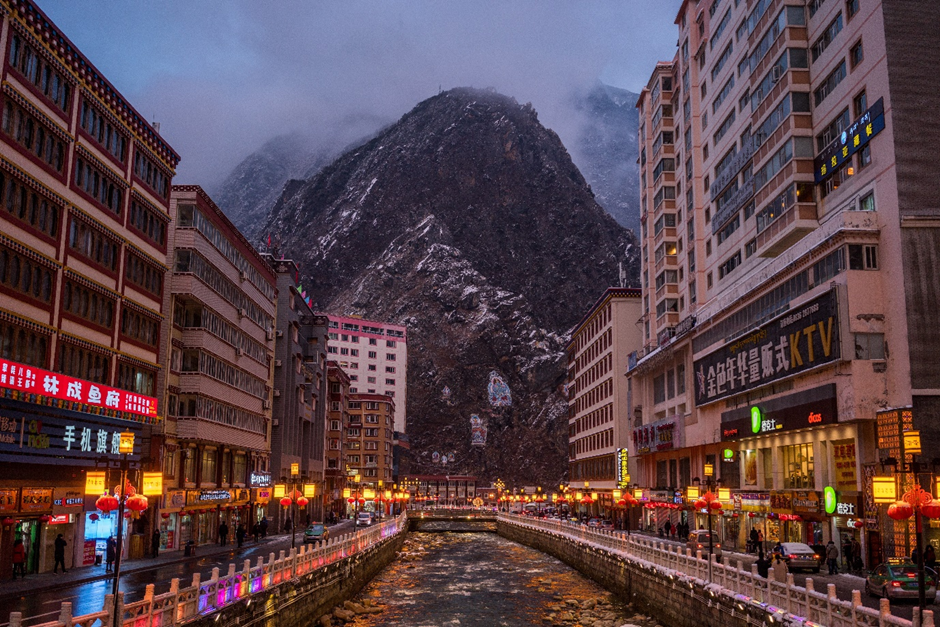
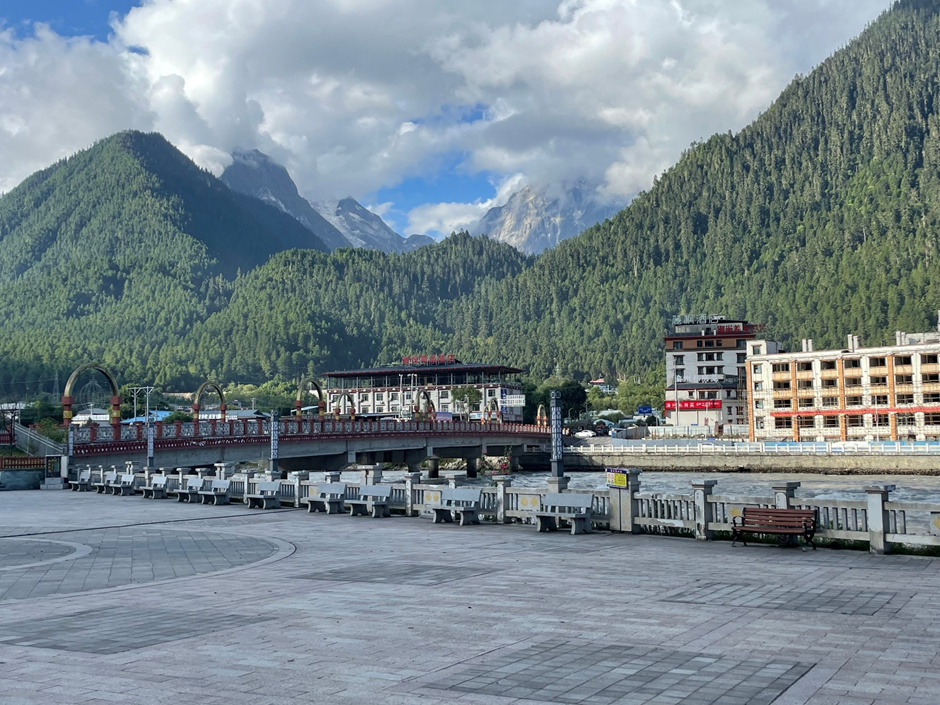
Kangding Town
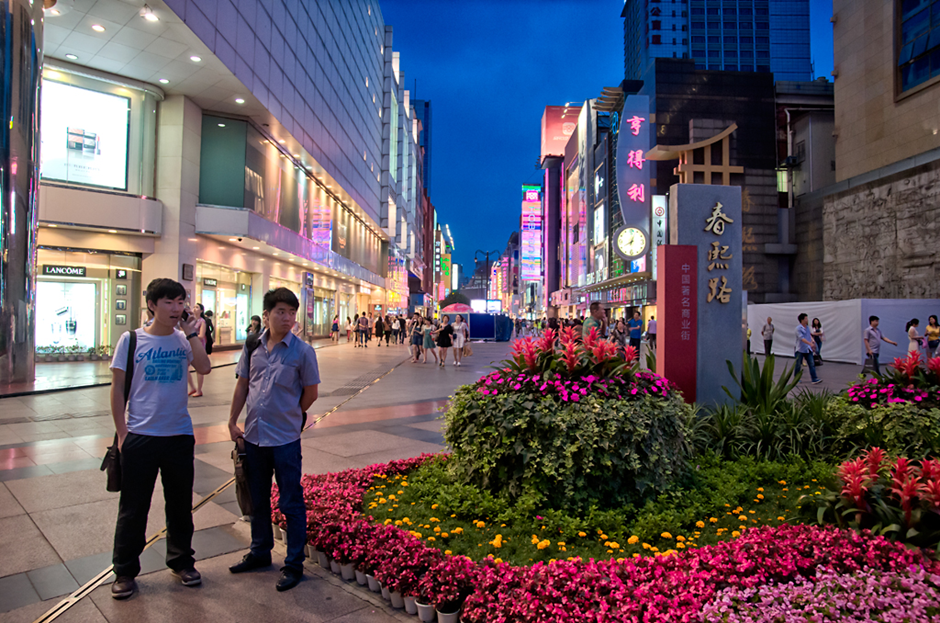
Chengdu
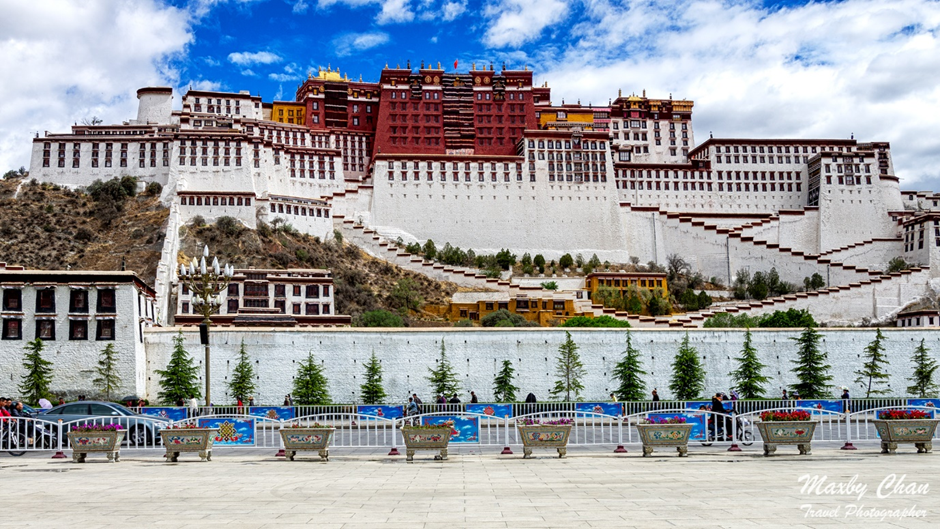
Potala Palace, Lhasa
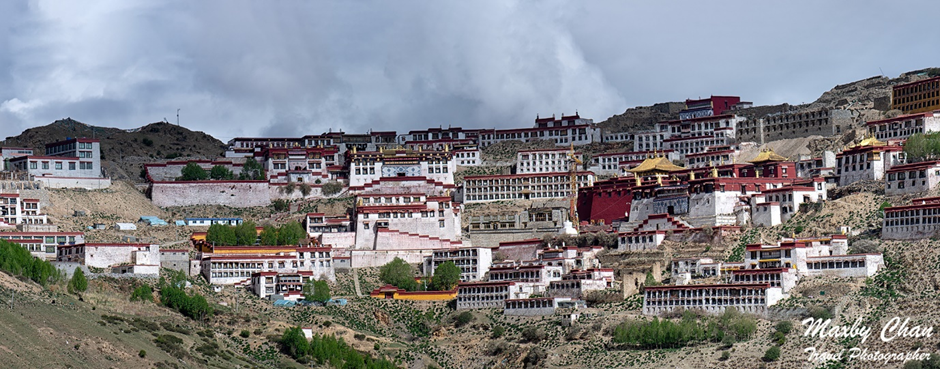
Ganden Monastery
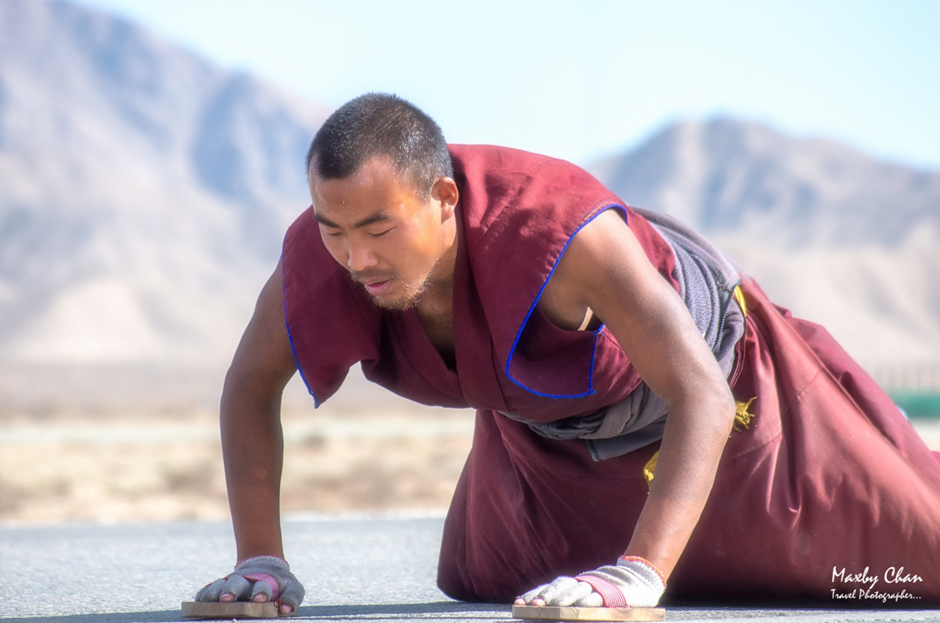
Pilgrimage
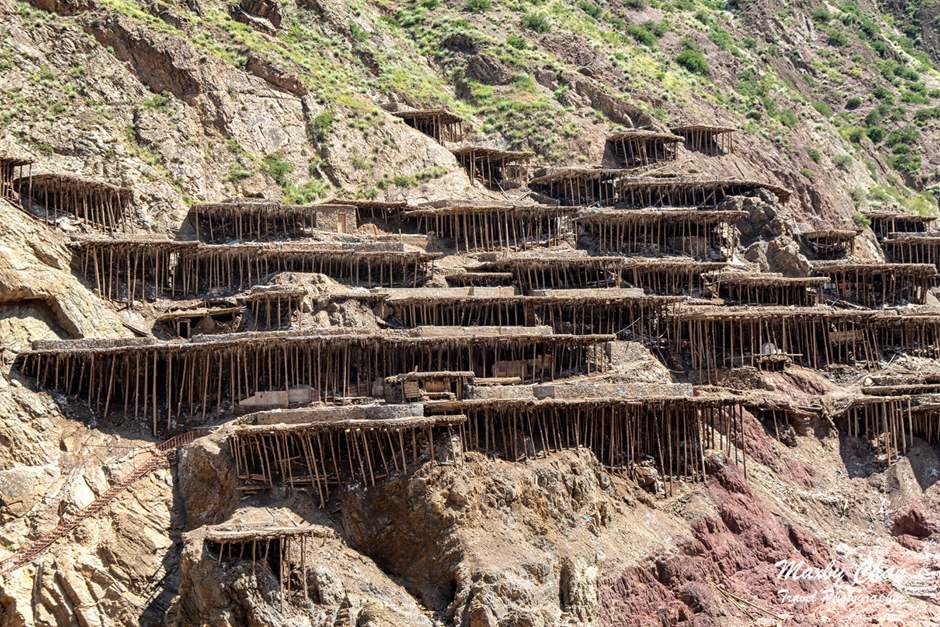
Ancient Salt Mines
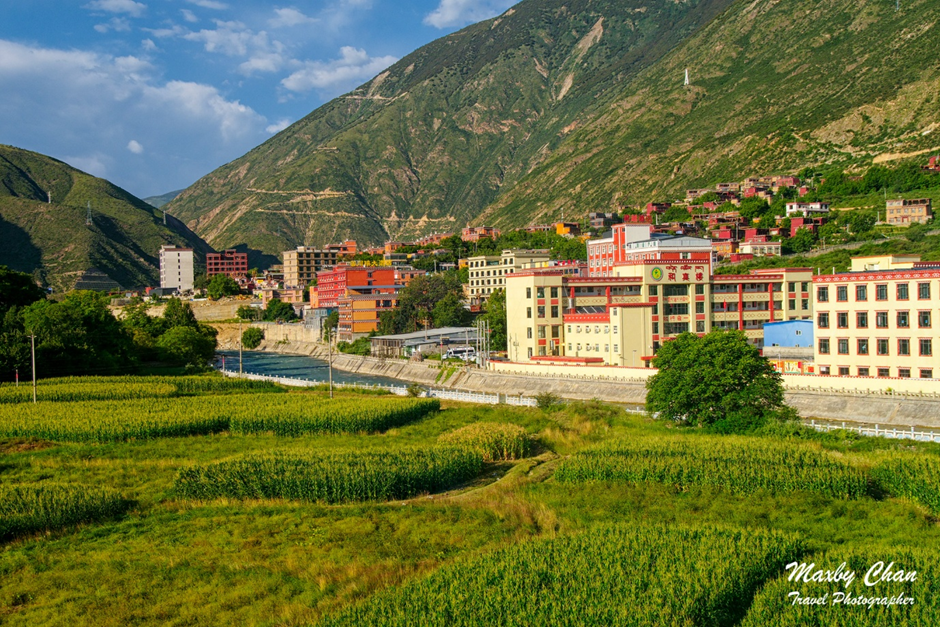
Towns along Route 318
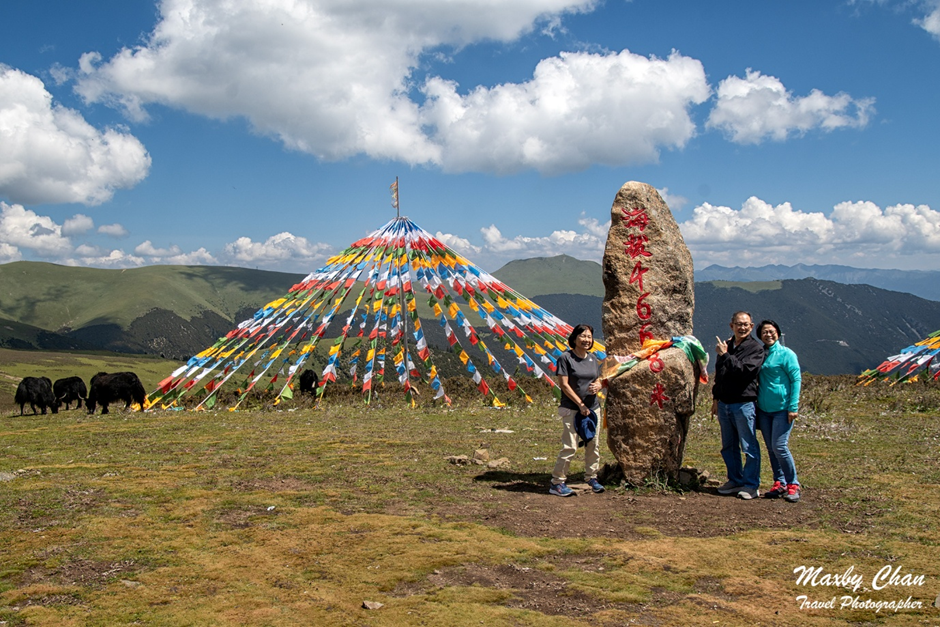
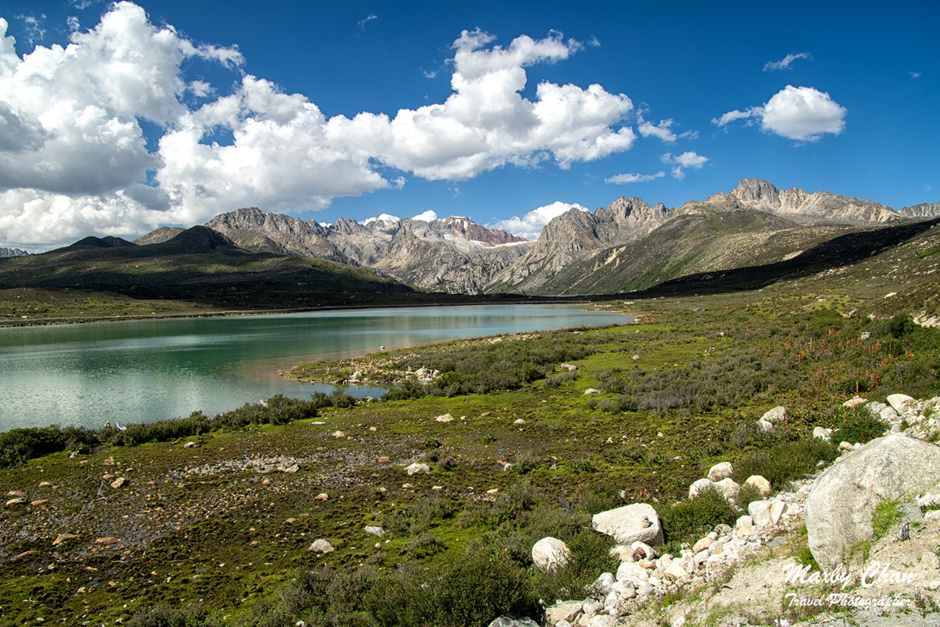
Scenes along Route 318
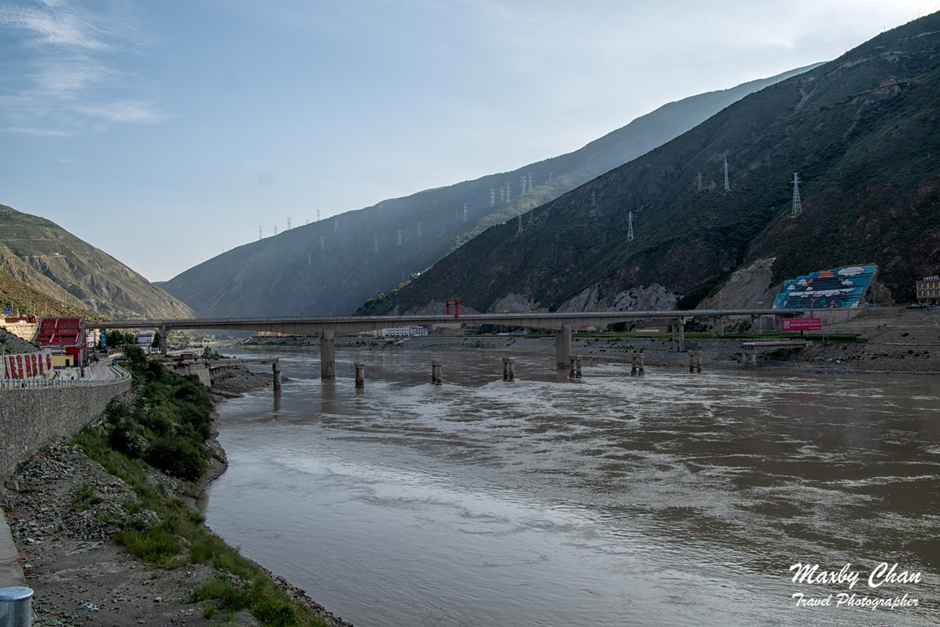
Sichuan to Tibet Border
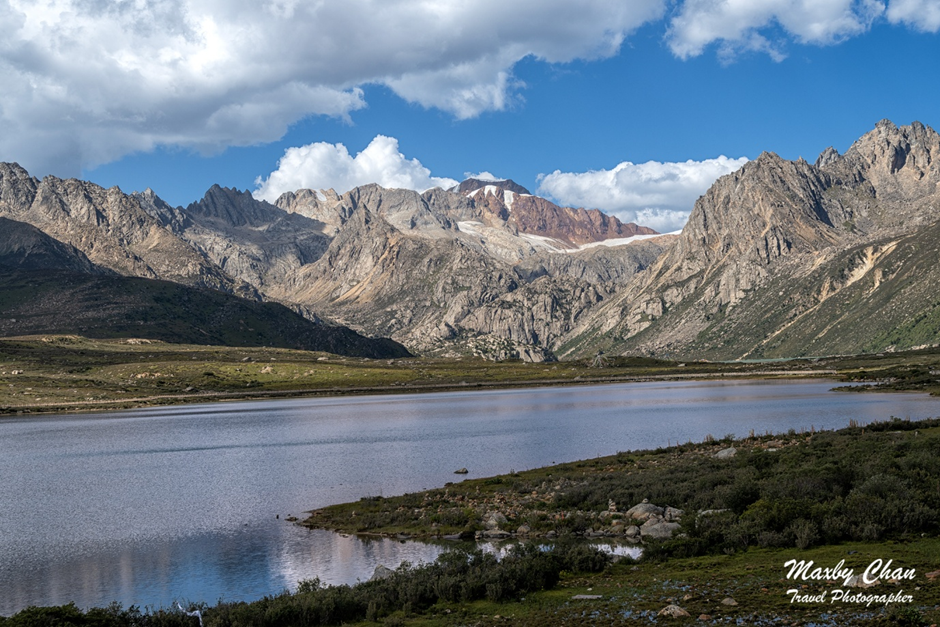
Scenes along Route 318