Introduction
Madagascar is a huge island nation off the southeast coast of Africa, in the Indian Ocean — about 400 km from Mozambique. It’s the fourth-largest island in the world.
Nature and Wildlife
- 90% of its wildlife is found nowhere else on Earth.
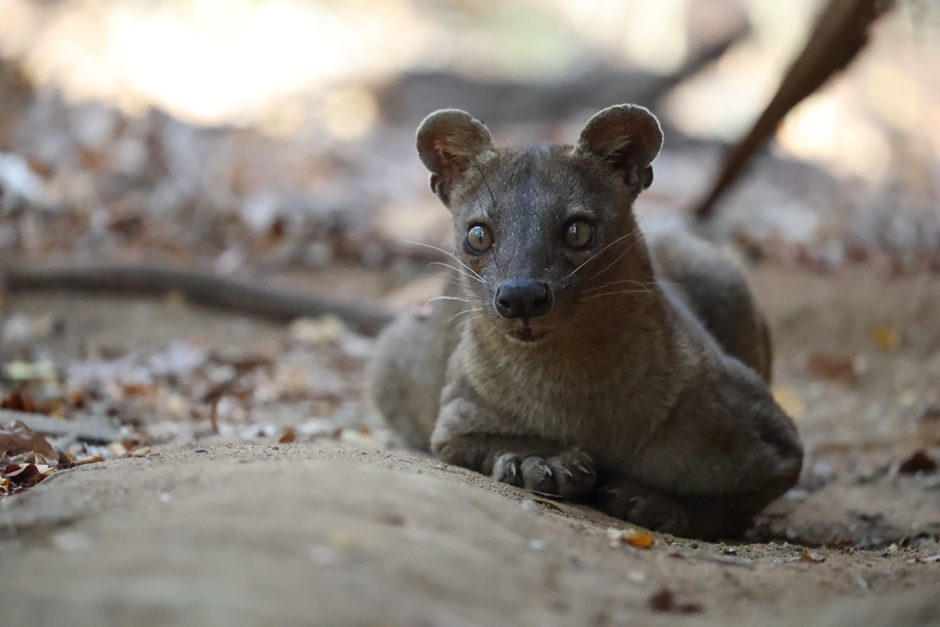
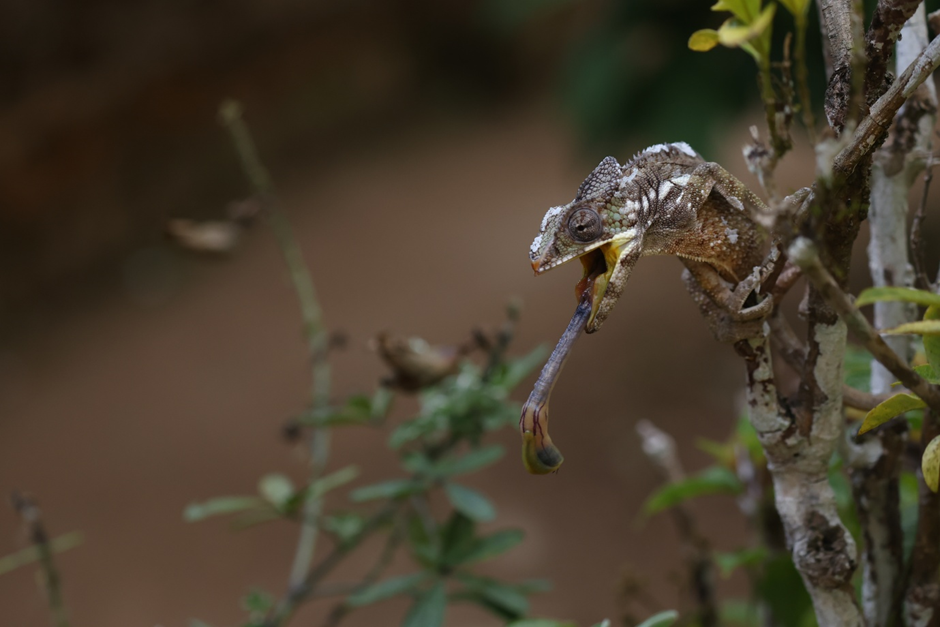
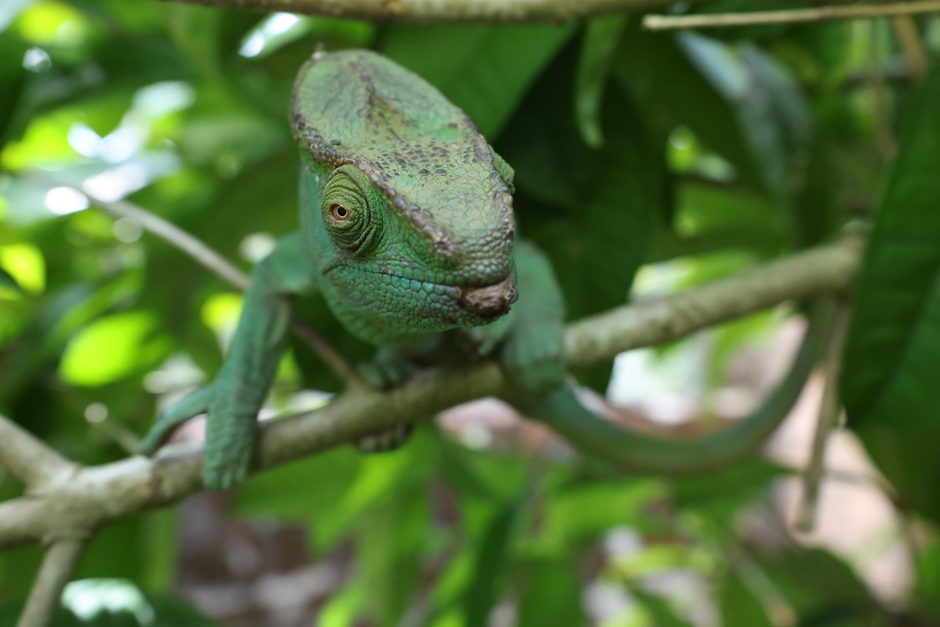
This includes the iconic lemurs, baobab trees, chameleons, and thousands of unique plant species. - Its ecosystems range from rainforests in the east to spiny deserts in the south, savannas in the west, and coral reefs along its coasts.
- Famous natural spots include:
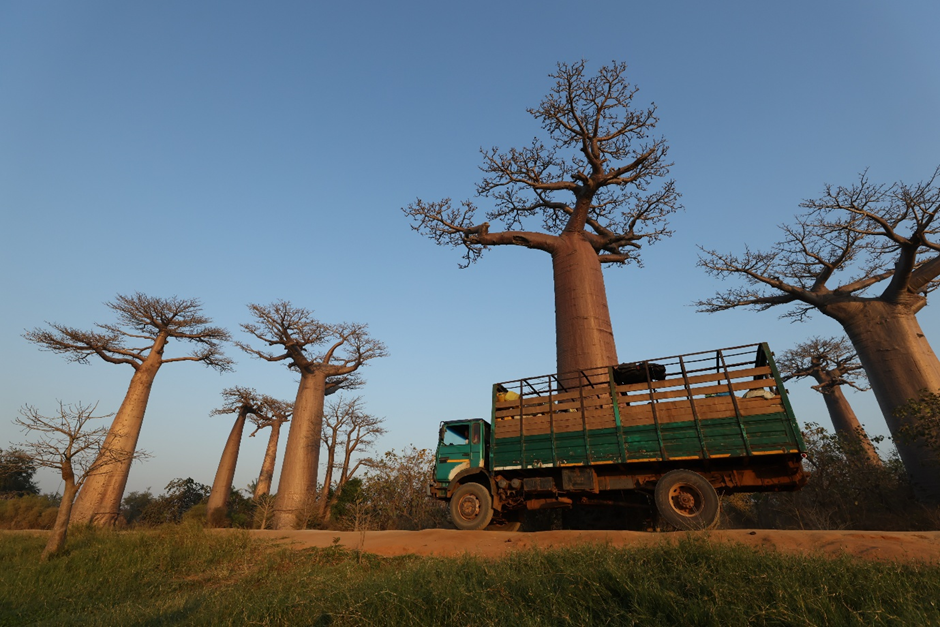
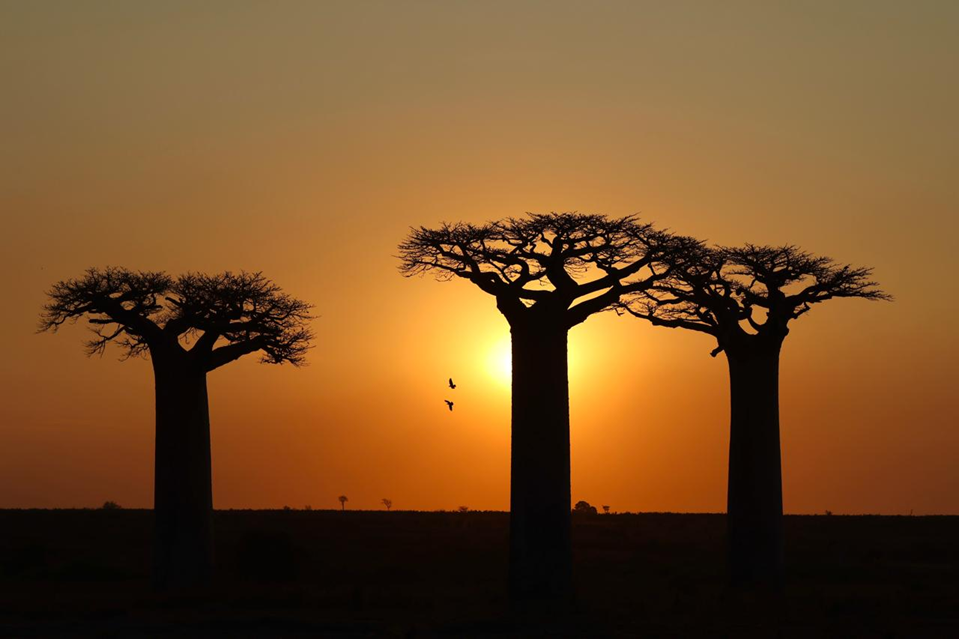
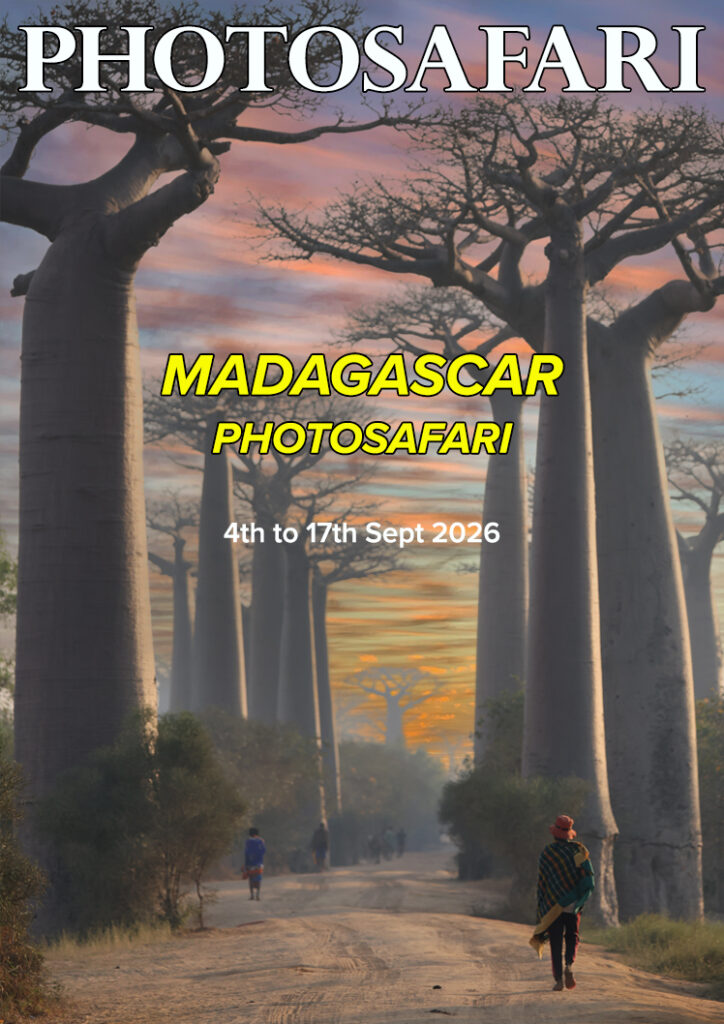
- Avenue of the Baobabs (near Morondava)
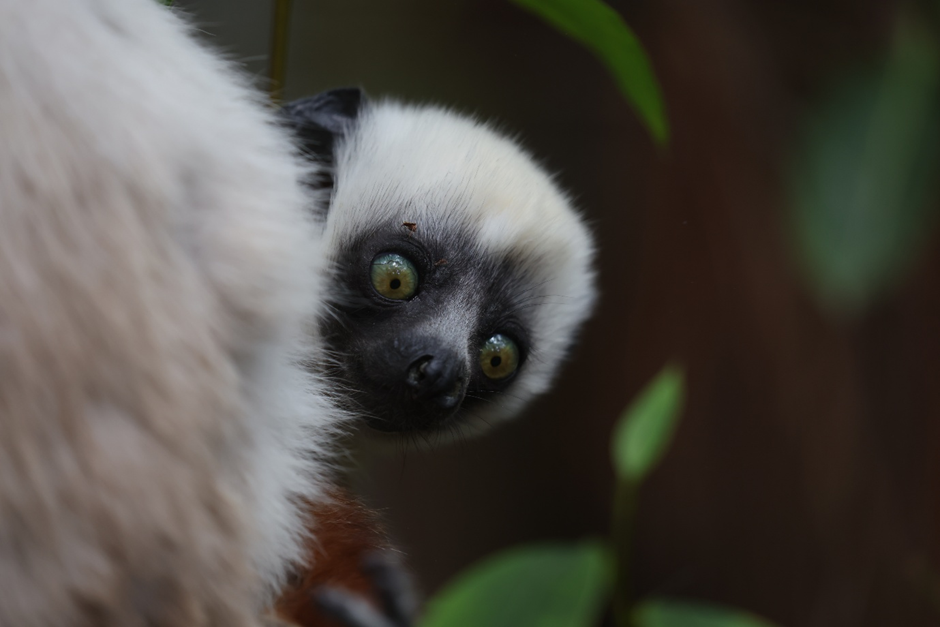
- Andasibe-Mantadia (home of the Indri lemur)
- Tsingy de Bemaraha (sharp limestone pinnacles – UNESCO site)
Wildlife Highlights
- Over 100 lemur species, from the tiny mouse lemur to the indri.
- Colorful chameleons, frogs, and geckos.
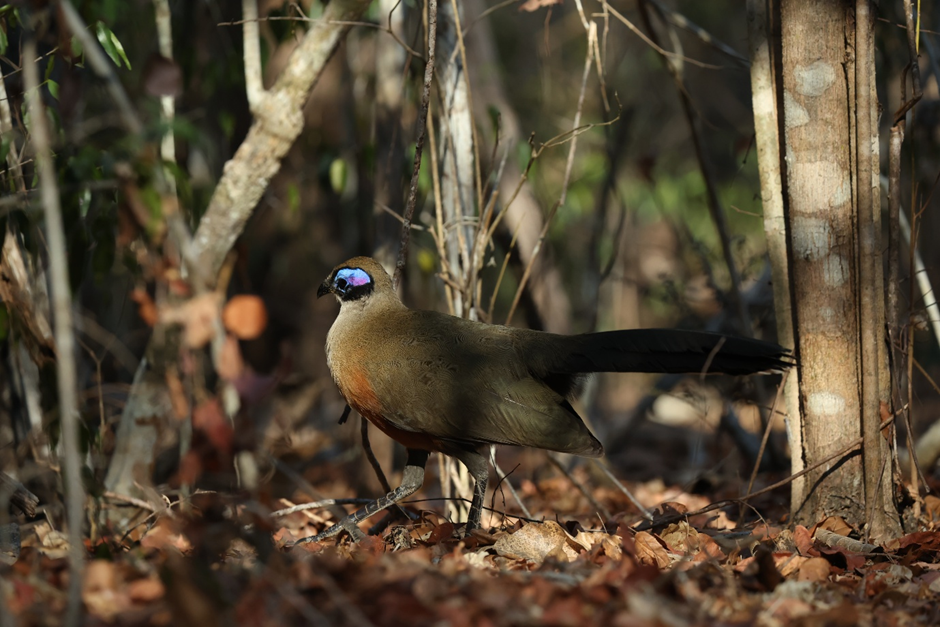
- Rare birds like the Madagascar fish eagle and vangas.
- Marine life includes coral reefs, sea turtles, and whales.
People and Culture
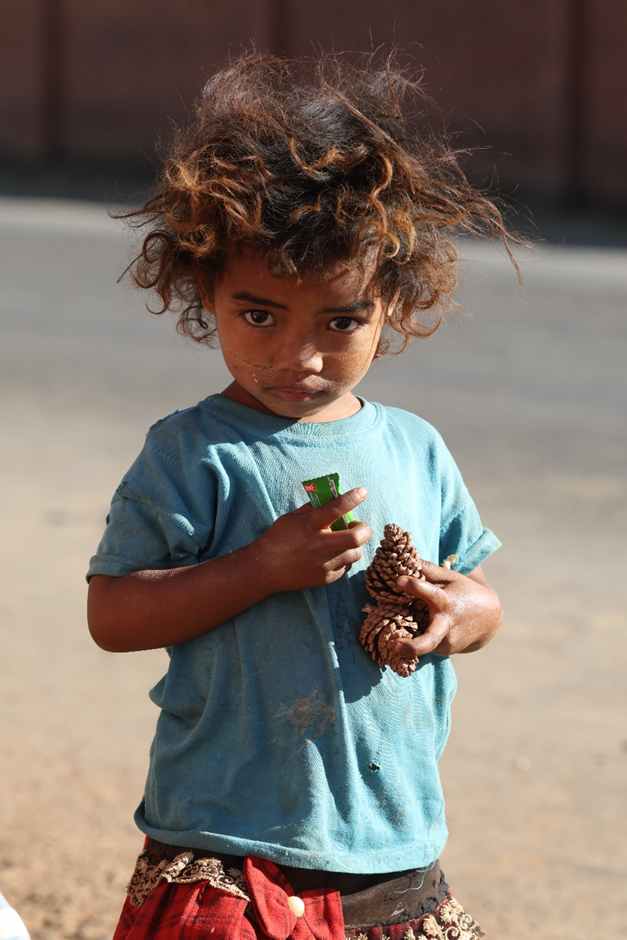
- The Malagasy people are a blend of African and Austronesian origins.
- There are 18 ethnic groups, each with unique customs, music, and traditions.
- The Malagasy language unites the country, with French also widely spoken.
- Traditional beliefs often mix with Christianity, and ancestral respect plays a big role in life and rituals.
Landscape and Scenery
- Dramatic contrasts — from lush rainforests to desert-like spiny forests.
- Highland rice terraces and red soil landscapes.
- Quiet fishing villages and remote coastal lagoons.
- Rich opportunities for landscape and wildlife photography.
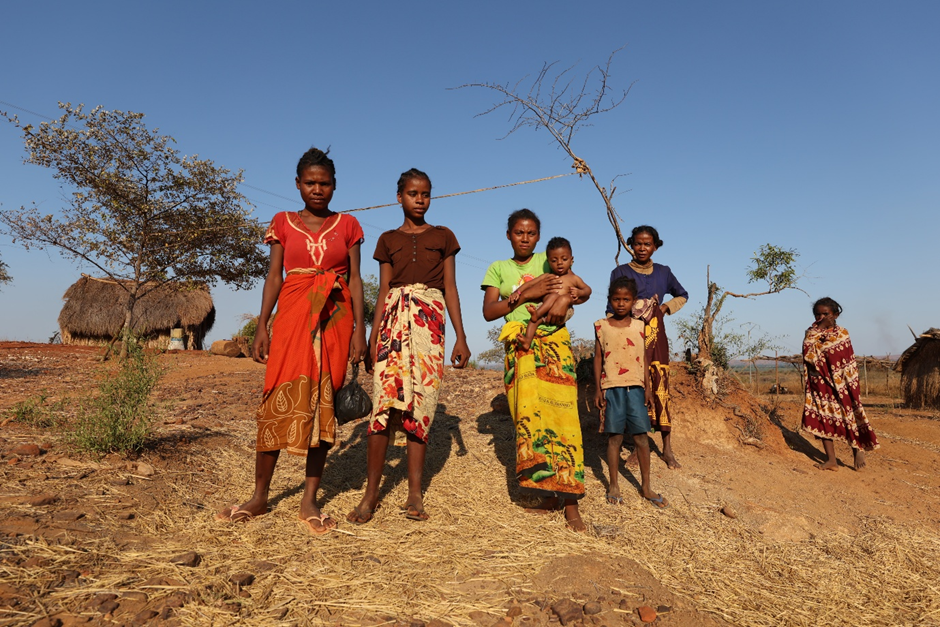
- We may have opportunities to visit the small villages along the way.
Why Visit Madagascar?
- A paradise for nature lovers, photographers, and adventurers.
- Offers eco-tourism with fewer crowds than mainland Africa.
- It feels like visiting a different world — ancient, wild, and deeply connected to nature.
How to get there?
You can fly to Antananarivo from KL via Dubai, Nairobi, or Seychelles. The flight schedules for September 2026 are not release for most airlines
Madagascar Visa
Malaysians can apply for visa on arrival for entry less than 15 days.
Difficulty of trip
It’s an easy trip
Itinerary
Day 1 – 4th September
Arrive in Antananarivo, Madagascar.
Meet at airport and transfer to hotel
Free and easy
Day 2 – 5th September – Drive to Andasibe
Welcome to your destination! We are delighted to accompany you on your trip to Madagascar. Your committed English-speaking guide will welcome you at the airport, assist you if needed in any formalities. We are already at the start of our journey. Discover the breathtaking beauty of Madagascar’s eastern region as you journey along the scenic National Road 2. Lose yourself in the lush greenery of tropical forests, serene rice paddies, and majestic waterfalls. Arrival in Andasibe in the late afternoon.
Day 3 – 6th September – A Photographic Journey from Andasibe to Akanin’ny Nofy
Embark on a captivating photographic expedition that takes you from the misty forests of Andasibe to the tranquil shores of Akanin’ny Nofy. Your photographic journey begins at dawn in the renowned Analamazaotra National Park. As the first rays of sunlight pierce through the dense canopy, you’ll be on the lookout for the park’s most iconic resident, the Indri. Their haunting, melodic calls, a quintessential sound of the Malagasy rainforest, provide the perfect soundtrack for your early morning shoot. Capture the Indri in their natural habitat, focusing on their expressive faces and striking black and white coats. The soft, diffused light of the forest floor is ideal for macro photography, so keep your eyes peeled for chameleons, geckos, and a dazzling array of insects. Frame the intricate details of a dew-kissed spiderweb or the vibrant colors of an orchid in bloom.
Next, we venture to the nearby Vakona Forest Lodge, a sanctuary for some of Madagascar’s most charismatic creatures. A short canoe ride takes you to the “Island of Lemurs,” a photographic paradise where you can get up close and personal with several lemur species. Capture their playful antics as they leap between trees, and their curious expressions as they approach, often posing for the camera. This is a unique opportunity to fill your memory card with unforgettable close-ups. After a midday break, our journey continues towards Akanin’ny Nofy, a hidden gem nestled on the shores of Lake Ampitabe. The scenic drive offers a change of scenery, from the lush rainforest to the expansive lake and its surrounding greenery. Capture the shifting landscapes through your lens, focusing on the vivid colors of the Malagasy countryside. As you approach Akanin’ny Nofy, you’ll be greeted by the serene beauty of the “Nest of Dreams.” The golden hour light bathes the lake and the lodge in a warm glow, providing the perfect conditions for landscape photography. Frame the reflections of the palm trees on the glassy water, or capture the silhouette of a canoe against the setting sun.
Day 4 – 7th September – Palmarium Reserve, Andranokoditra, and the Island of the Aye-Aye
Experience an extraordinary day capturing Madagascar’s unique biodiversity and local life on a photographic expedition. Begin at Palmarium Reserve (“Ankanin’ny Nofy”) to photograph a variety of habituated lemurs, from striking black and white ruffed lemurs to Indri lemurs, in the magical morning light. Next, visit Andranokoditra fishing village to document the daily life of the Malagasy people, capturing candid interactions and the vibrant colors of traditional pirogues. Finally, as dusk falls, embark on a special nocturnal visit to the “Aye-Aye Island.” With a tripod and a fast lens, capture the world’s most peculiar primate, focusing on its haunting eyes and unique features, for a truly unforgettable and mysterious photographic experience.
Day 5 – 8th September – From Akanin’ny Nofy to Antananarivo
Your trip begins with a scenic boat ride along the Pangalanes Canal. This is a prime opportunity for landscape and lifestyle photography. As the morning mist lifts, the canal becomes a mirror for the surrounding lush vegetation. Frame the reflections of “traveler’s trees” (Ravinala) and other unique flora on the still water. Look for the simple beauty of traditional pirogues (canoes) paddled by local fishermen, capturing their silhouettes against the rising sun. Photograph the small, riverside villages, focusing on the simple, thatched-roof huts and the daily routines of their inhabitants—children playing, women doing laundry, and fishermen preparing their nets. The soft, diffused morning light provides an ideal setting for capturing the authentic and timeless beauty of rural life. Upon reaching the mainland, your photographic focus shifts to the ever-changing landscape of the journey to Antananarivo. The drive is a visual story of Madagascar’s geography, from the humid eastern lowlands to the highlands of the central plateau. Frame the winding roads that snake through verdant hills and terraced rice paddies.
Day 6 – 9th September – A Photographic Day Trip: Antananarivo to Antsirabe
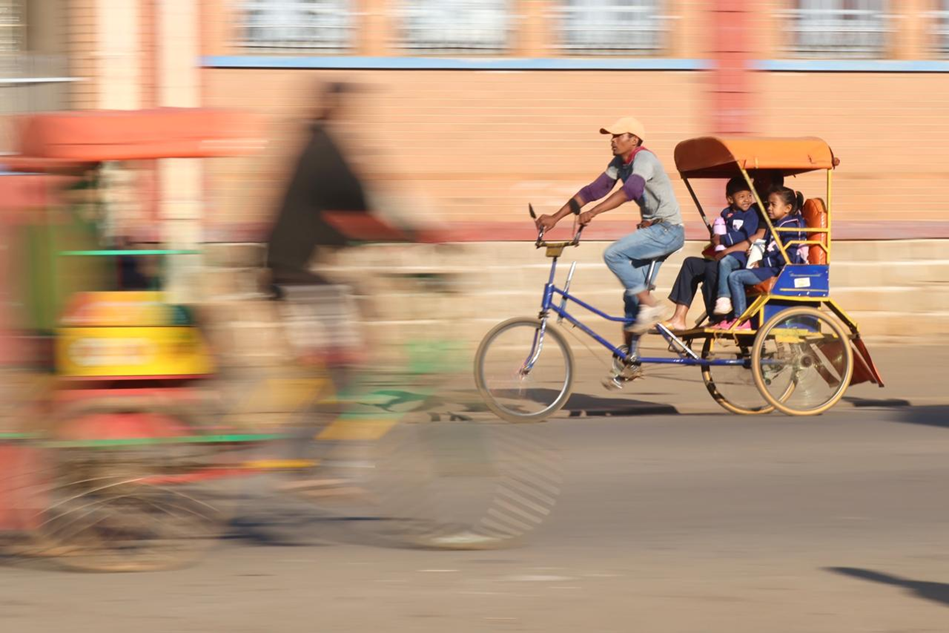
Embark on a photographic journey from Antananarivo to Antsirabe. The trip begins with a scenic drive through the central highlands, where you can capture vast landscapes of terraced rice paddies and traditional villages under the soft morning light. Next, stop in Ambatolampy to photograph the dramatic, high-contrast scenes of local aluminum workshops, focusing on the artisans’ craft and the process from raw material to finished product. Finally, arrive in the city of Antsirabe, known for its colonial charm and iconic pousse-pousse rickshaws. Here, you can capture the vibrant colors and movement of the city, frame grand colonial buildings.
Day 7 – 10th September – From the Highlands of Antsirabe to the Gateway of the South
Embark on a photographic journey from Antsirabe to Ambalavao. The day begins with a scenic drive through the central highlands, where you can capture rural landscapes in the soft morning light. The first stop in Ambositra offers a chance to photograph Zafimaniry artisans in their woodcarving workshops, focusing on the details of their craft. If timed correctly, you can document the powerful and dusty spectacle of a Savika bull-running event, a high-energy cultural tradition. The afternoon drive continues through a dramatic landscape change, where you can photograph the majestic granite domes and rocky outcrops under the golden hour light before arriving in Ambalavao. This trip offers a rich photographic narrative of Malagasy art, culture, and diverse scenery.
Day 8 – 11th September – A Photographic Day Trip: Anja Community Reserve
Anja Community Reserve offers a photographer’s dream day trip, focusing on intimate wildlife and stunning landscapes. Begin at dawn to photograph the park’s habituated ring-tailed lemurs in the soft morning light, capturing their expressive faces, iconic tails, and playful antics. Use a telephoto lens for portraits and a fast shutter speed for action shots, seeking out their classic sunbathing poses on granite boulders. As the day progresses, switch to a macro lens to capture the intricate details of chameleons, geckos, and other small creatures. Finally, use a wide-angle lens to document the dramatic landscape, framing the massive granite domes that provide a breathtaking backdrop to the forest and its inhabitants. The trip is a visual narrative of a successful conservation story, blending stunning wildlife, macro details, and epic landscapes.
Day 9 – 12th September – From the South to the Highlands
This day trip is a photographic journey from Ambalavao to Antsirabe. Begin by documenting the traditional Antemoro paper-making process, focusing on the artisans’ hands, raw materials, and the delicate drying sheets. Next, explore the historic upper town of Fianarantsoa, capturing the grandeur of its colonial architecture and the unique character of its cobblestone streets. The afternoon drive north to Antsirabe offers a final opportunity for landscape photography, as the warm afternoon light illuminates the terraced rice paddies and lush hills of the central highlands, providing a rich and diverse visual narrative
Day 10 – 13th September – From the Highlands to the Golden West
This day trip is a photographic journey from the highlands of Antsirabe to the golden west of Miandrivazo. Begin at dawn by capturing the unique, mystical beauty of Lac Tritriva, a volcanic crater lake. Next, document the dramatic geographical transition as the road descends from lush highlands to semi-arid plains, focusing on the changing landscape and colors. The day culminates in Miandrivazo, where the warm, late afternoon light provides a perfect opportunity for a final series of photos of the town and a spectacular sunset over the arid landscape.
Day 11 – 14th September – : From Baobab Landscapes to Nocturnal Wildlife
This day trip from Miandrivazo to Kirindy is a photographic journey of contrasts. The first half of the day focuses on grand landscapes, documenting the majestic baobab trees along the dusty road and culminating with a classic sunset silhouette shoot at the Avenue of the Baobabs. The second half is a dramatic shift to intimate nocturnal wildlife photography in the Kirindy Forest, where you will use a high ISO and fast lens to capture the mysterious, fleeting images of nocturnal lemurs, the giant jumping rat, and other elusive creatures in the dark.
Day 12 – 15th September – A Photographic Journey of Wildlife and Sunset Baobabs
This day trip is a photographic journey from Kirindy to Morondava, blending wildlife, unique landmarks, and epic landscapes. It begins with a morning exploration of Kirindy Forest to photograph diurnal lemurs and other creatures in the soft light. The afternoon drive culminates at the “Baobabs in Love” for a unique photo opportunity before arriving at the iconic Avenue of the Baobabs. The day ends with a classic sunset silhouette shoot, capturing the majestic trees and local life against a fiery sky for a truly unforgettable and cinematic image.
Day 13th – 16th September – A Photographic Journey of Wildlife and Sunset Baobabs
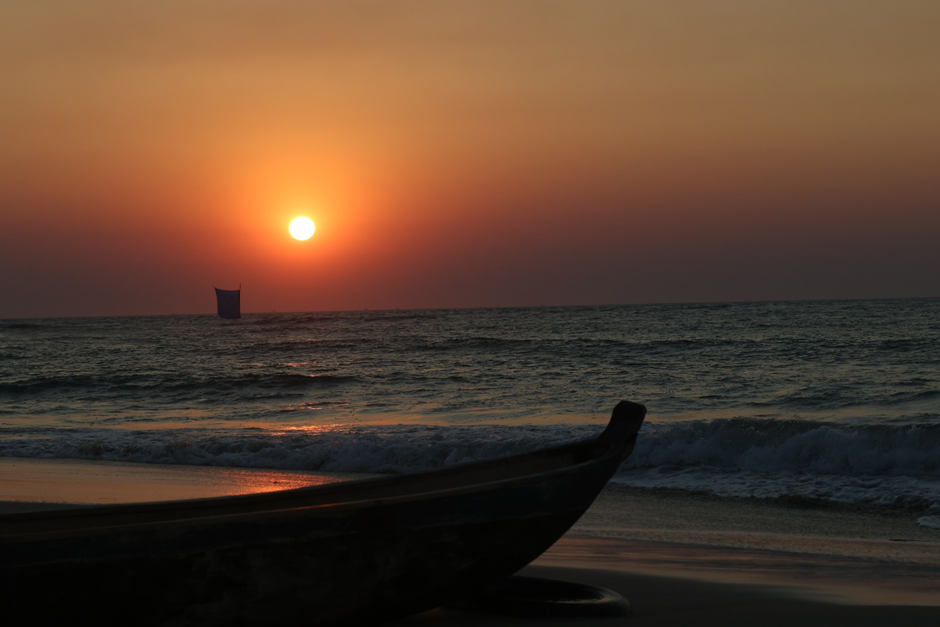
This day trip from Morondava to Antananarivo by flight is a photographic journey of transition. Begin by capturing the tranquil beauty of Morondava’s coast in the soft morning light, focusing on fishing pirogues and coastal life. The trip culminates in Antananarivo, where you can document the city’s urban tapestry, from its tiered architecture and colonial buildings to the bustling markets and daily street life in the warm afternoon light.
Day 14 – 17th September – Goodbye Madagascar: see you soon!
Your adventure in Madagascar ends here for once. You will be transferred to the international airport for your return flight. We hope you enjoyed your stay in Madagascar and look forward to seeing you soon
Photo Gallery