INTRODUCTION
The Ancient Silk Road was an extensive network of trade routes that connected various regions of Asia and Europe, facilitating the exchange of goods, culture, and ideas. One of the most significant stretches of this historic trade route ran from the city of Xi’an to Tashkurgan (last town at the Chinese border between China and Pakistan), covering a vast distance across the diverse landscapes of China and Central Asia.
Autumn Season
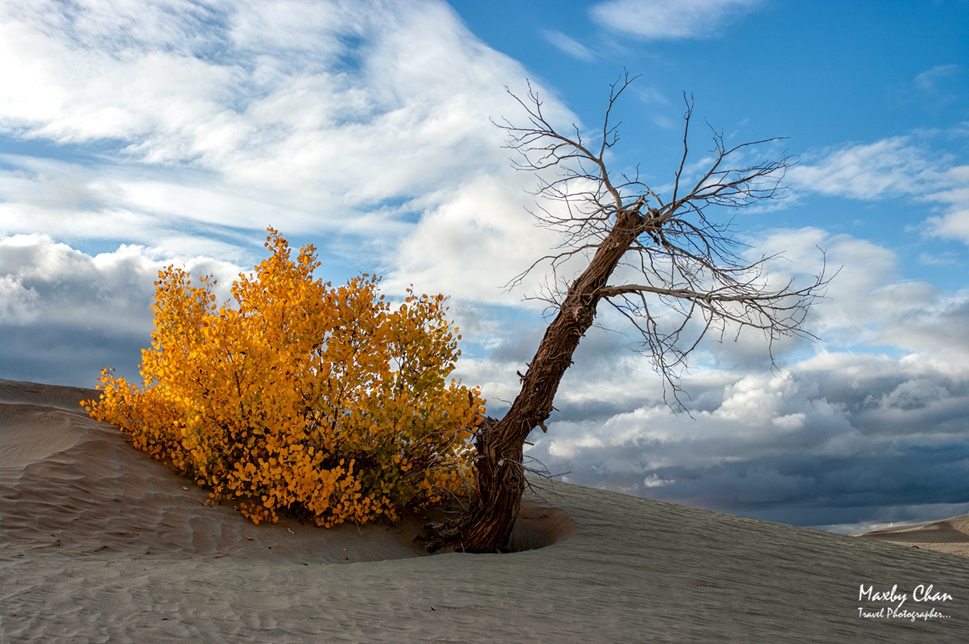
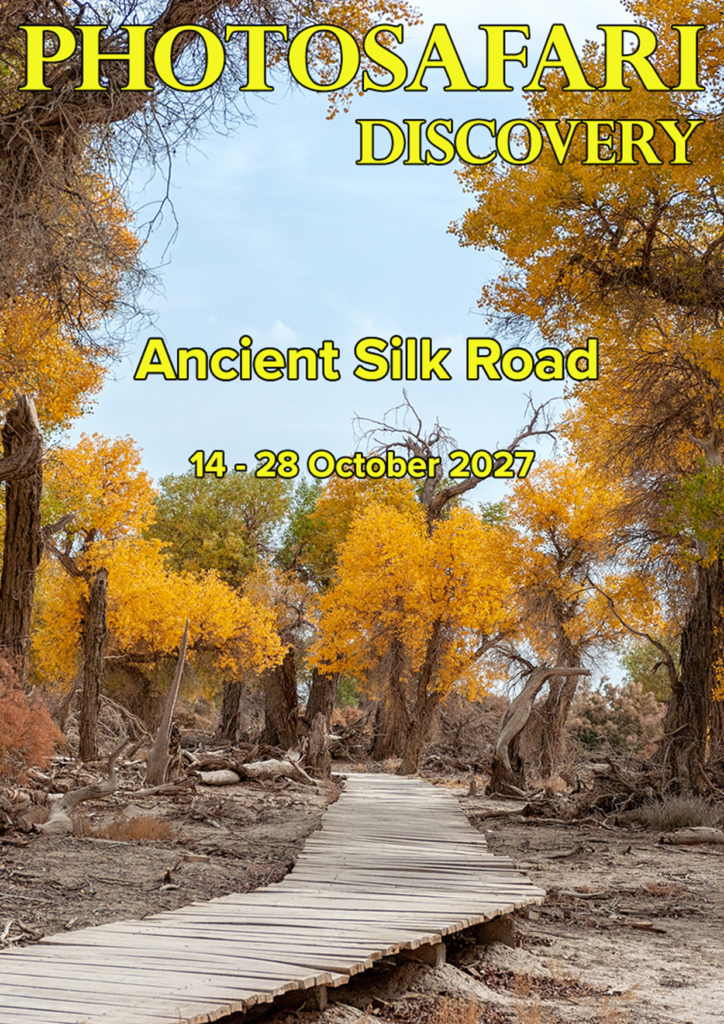
October is also a time when the leaves of the Huyang Trees turned golden yellow. Huyang trees (Populus euphratica), also known as desert poplars, are ancient, highly resilient desert trees found predominantly in Northwest China’s Xinjiang. It is said that a Huyang tree can grow for a thousand years and the tree when it dies, stands for a thousand years and it takes another thousand years for it to rot.
Xian
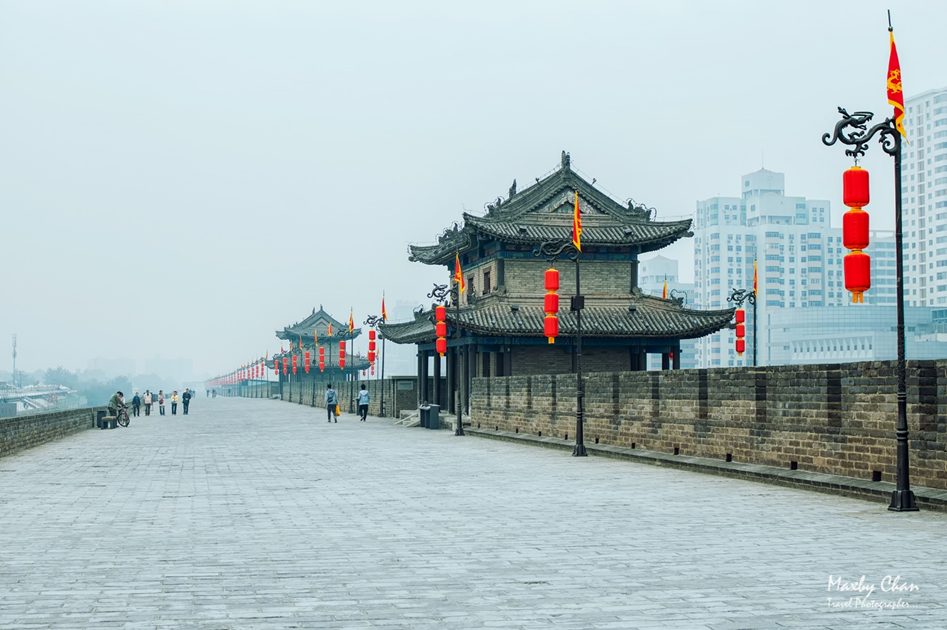
Xi’an, located in present-day Shaanxi Province, was the eastern starting point of the Silk Road. It served as the capital of multiple dynasties in ancient China, including the Han, Sui, and Tang dynasties. As a cultural and economic hub, Xi’an played a crucial role in the exchange of goods and knowledge between East and West. It was from this city that caravans embarked on their arduous journey westward.
The route from Xi’an to Tashkurgan encompassed approximately 4,000 kilometres and traversed through a variety of terrains and climatic zones. Caravans would navigate through the deserts, mountains, and oasis towns of China’s western provinces before reaching the borders of modern-day Xinjiang, an autonomous region of China.
Leaving Xi’an, the Silk Road travellers ventured westward, passing through the Hexi Corridor, a narrow strip of fertile land flanked by the towering Qilian Mountains to the south and the Gobi Desert to the north. This corridor acted as a vital gateway between the agricultural heartland of China and the vast expanse of Central Asia.
Dunhuang
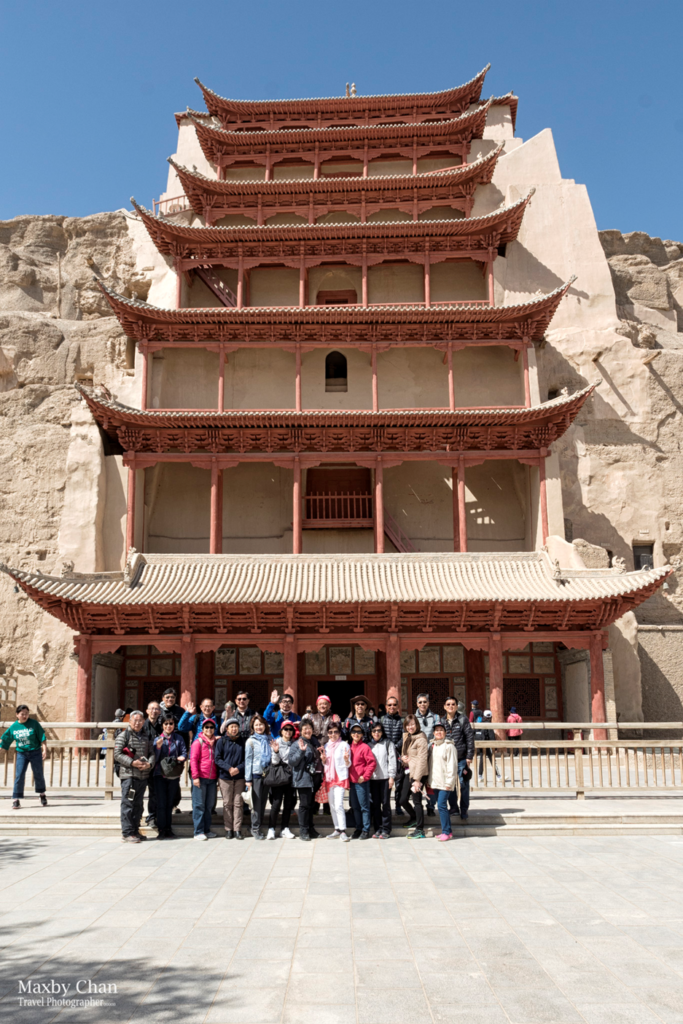
Continuing along the route, the caravans would reach the city of Dunhuang, which served as a pivotal oasis stop on the Silk Road. Dunhuang was renowned for the Mogao Caves, a UNESCO World Heritage site, housing a treasure trove of Buddhist art and manuscripts. The city was a melting pot of cultures, with merchants, scholars, and pilgrims from various backgrounds converging there.
Beyond Dunhuang, the Silk Road diverged into two main branches. The northern route traversed the inhospitable Taklamakan Desert, known as the “Sea of Death.” Caravans had to endure the harsh desert conditions, often relying on well-organized and resourceful camel caravaneers to navigate this treacherous landscape. Along this northern route, travellers encountered significant oasis towns such as Turpan, famous for its grapes and unique irrigation systems called Karsk, and Kucha, an important centre of Buddhist learning.
Southern Route
The southern route, although longer, offered a safer passage by skirting the southern edge of the Taklamakan Desert. This path followed the foothills of the towering Pamir and Tianshan mountain ranges, offering breathtaking scenery and milder climates. The southern route passed through cities like Kashgar, Hotan, and Kargilik, which were crucial centres of trade and cultural exchange. Kashgar, in particular, held great significance as a bustling hub connecting the Silk Road routes from Central Asia, India, and China.
Kashgar, situated in the westernmost part of China, was a melting pot of different cultures, religions, and ethnicities. It served as a crucial crossroads where merchants from various regions came together, bringing goods such as silk, spices, precious stones, and other commodities from the East. At the same time, it acted as a gateway for Western merchants to access the riches of China.
The Ancient Silk Road from Xi’an to Kashgar was not merely a commercial route. It fostered an exchange of ideas, languages, religions, and technologies. Buddhism, Islam, Nestorian Christianity, and Zoroastrianism all spread along this route, leaving traces in the diverse cultures that thrived along its path. The Silk Road played a significant role in shaping the history and development of civilizations, leaving a lasting legacy that still resonates today.
Personal Experience
I have been fascinated by the stories and myths of the Silk Road since I was young. I had always wanted to journey along this Ancient Silk Road. About 20 years ago, I journeyed along the Silk Road for the first time starting from Xian, China. I have since travelled along both the Northern and Southern routes for more than 6 times ending up in Kashgar.
Kashgar, an Oasis at the crossroad of civilization
There are two mountain passes from Kashgar, the Torugart Pass in the Tian Shan Mountains leading from China to Central Asia and Europe via Kyrgyzstan and the Khunjerab Pass along the Karakorum Highway to Pakistan and India. I have journeyed through this Torugart Pass all the way to Dushanbe in Tajikistan. This is the route that Marco Polo took in his travels to China. The other route is through Khunjerab Pass through the Karakorum Mountains via the Karakorum highway to Pakistan and then to India.
The famous Tang Dynasty Monk, Xuan Zang went through this Pass to India to look for Buddhist scriptures. The Silk Road is notoriously long and tedious to navigate. The plan is now to commute by flight, high-speed trains, and buses from town to town. We will arrive at Xian, the beginning of the Silk Road journey. From here, we will fly to Dunhuang and then by high-speed train to Turpan.
We will board our bus at Turpan for the rest of the trip to Kashgar. We will allocate two seats for each participant for a more comfortable ride. That is why we are restricting the number of participants on this trip.
We will visit the towns north of the Taklamakan Desert. From Turpan, we will journey to Korla, Kuqa, and Alaer. From Alaer, we will journey across the largest desert in China, the Taklamakan Desert. This is one of the harshest deserts in the world. We will reach the town of Hotan, an oasis town famous for its white jade trade on the south of the Taklamakan Desert.
Tashkurgan, the last town
We will be journeying to the south of the desert to Kashgar. Kashgar is a very important town at the crossroads of the ancient Silk Road. From Kashgar, we will go to Tashkurgan, (a Tajik minority town). From Tashkurgan we will drive back to Kashgar. Here we will take a flight to Urumqi, the capital of Xinjiang. We will take another flight from Urumqi back to Xian where our journey ends. We will be staying at 4 to 5 stars hotels throughout our journey.
How to go to Xian?
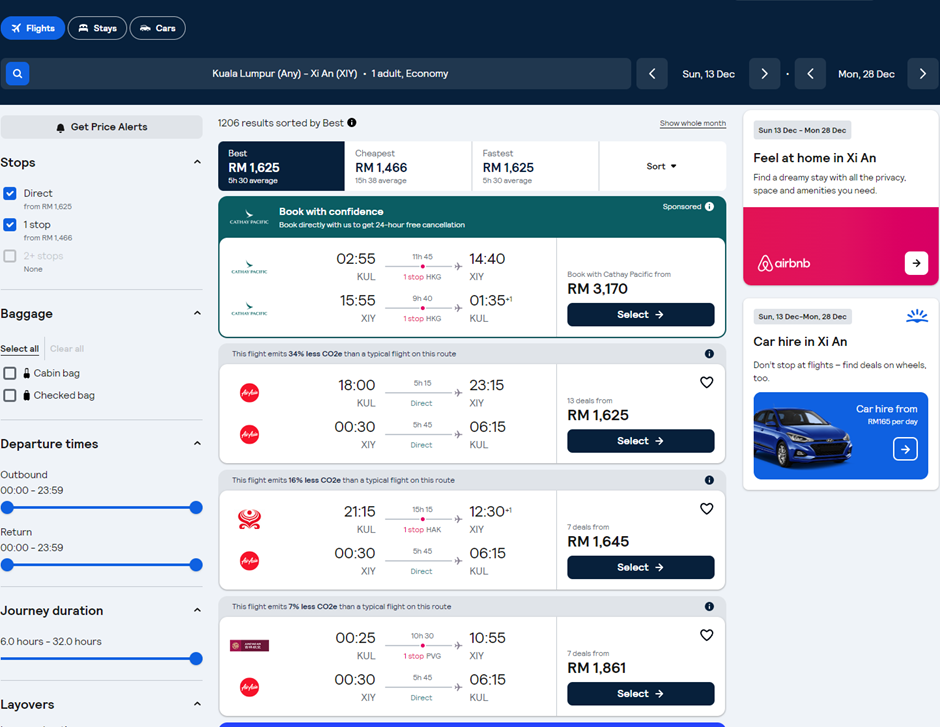
There are many choices of Airlines servicing between your country and Xian. AirAsia flies directly from Kuala Lumpur to Xian.
Chinese Visa
China has a Visa Free arrangement with a lot of countries. Please check if your country has a Visa Free Arrangement with China
Difficulty of trip
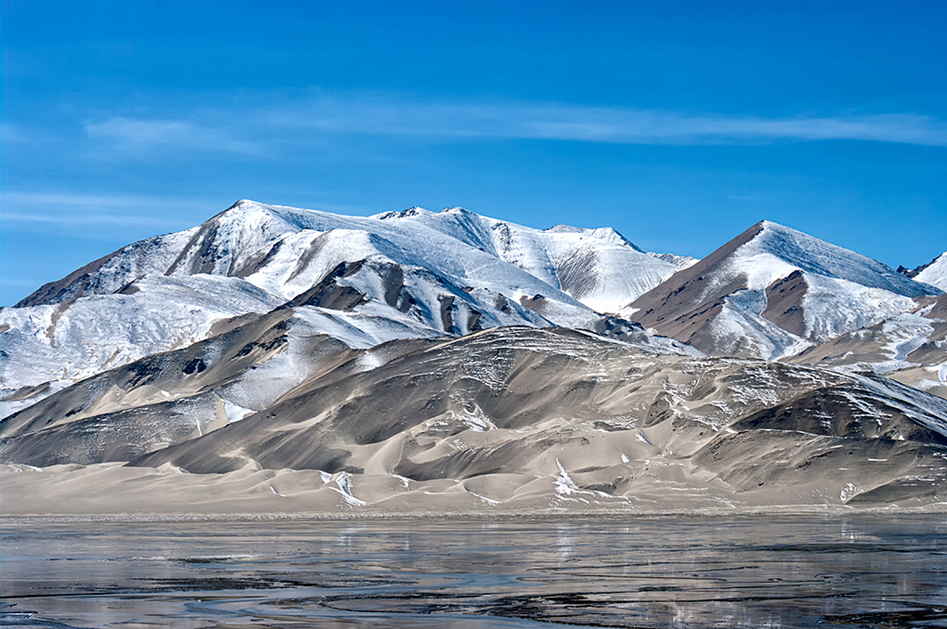
This trip is an easy trip except for the possibility of AMS (Acute Mountain Sickness) at higher altitude around Karakul Lake (3,600m) and Tashkurgan (3,200m). You may need to bring “Diamox” (altitude sickness prevention pills)
ITINERARY
D01 – Oct 14 Thursday Arrive at Xian (no meals)
Arrive at Xian. Pick up at airport and check into Xian Hotel
D02 – Oct 15 Friday – Xian(B,L)
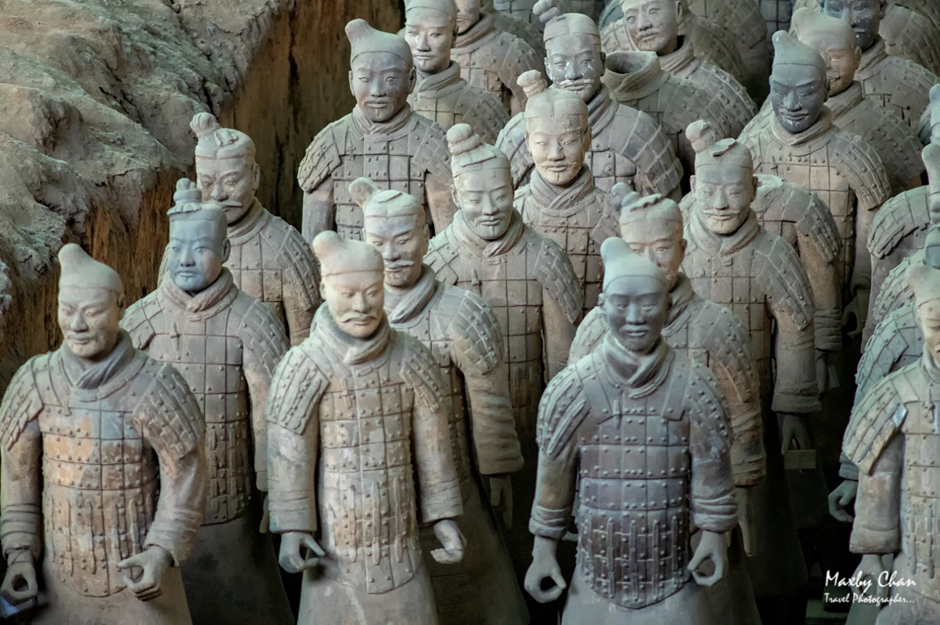
Visit the Terra-cotta army Museum, Muslim Quarters and the Grand Mosque.
D03 – Oct 16 Saturday – Xian-Dunhuang (B,D)
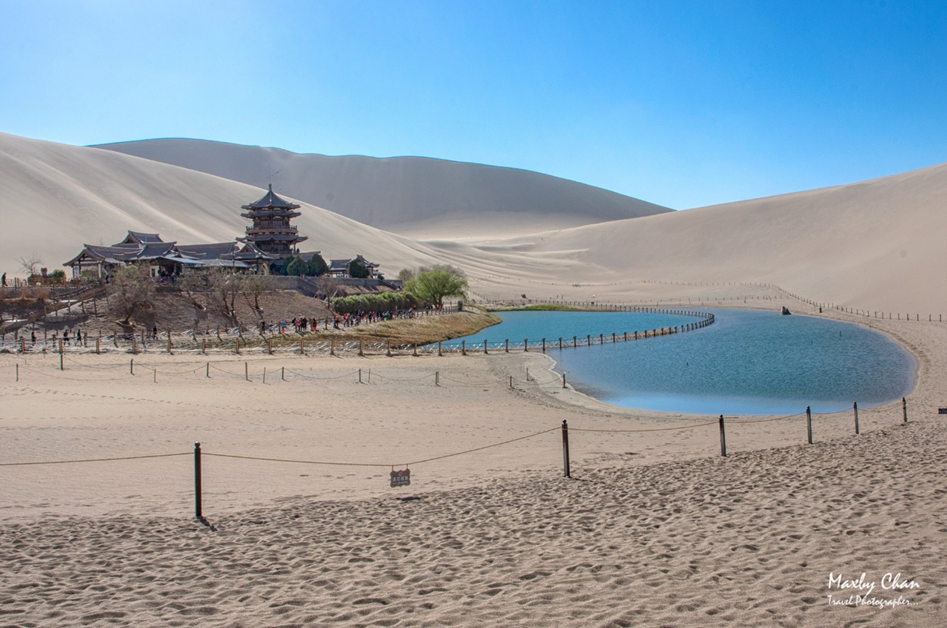
Fly to Dunhuang by MU flight (12:10 to 14:45). Transfer directly to Crescent Moon Lake and Sand Dunes.
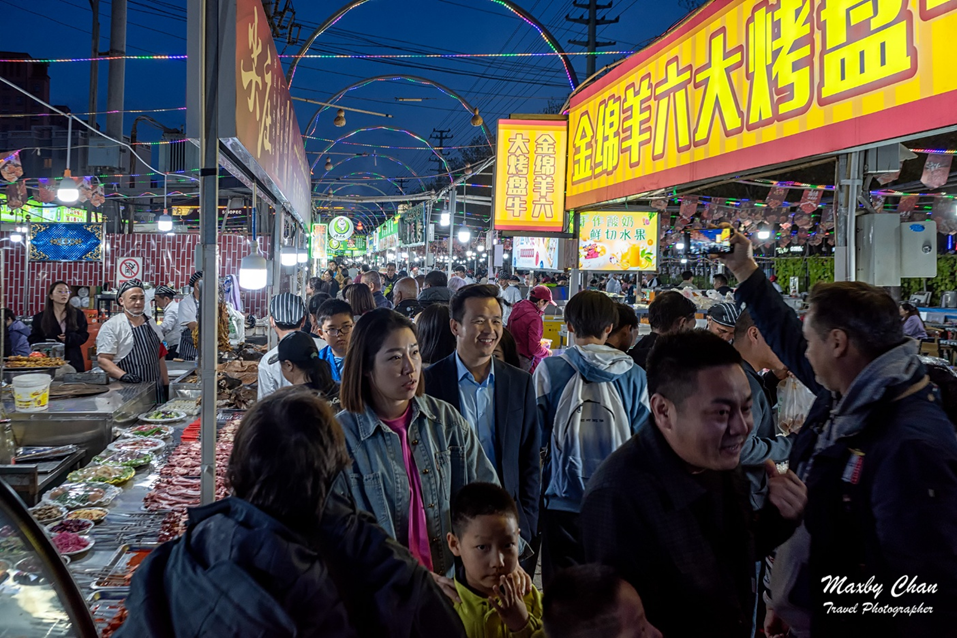
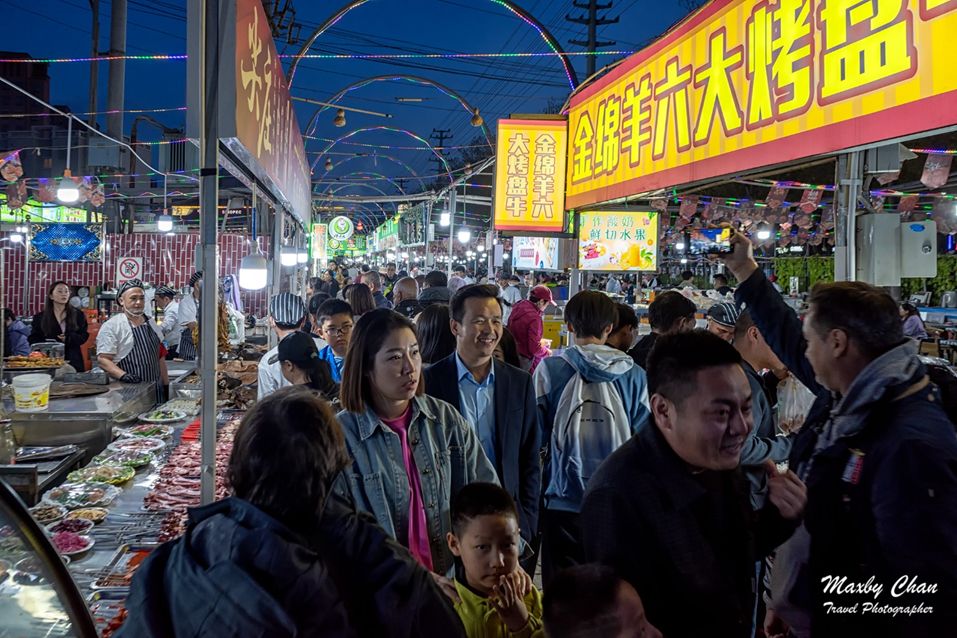
Check in hotel and visit the Dunhuang Night Market.
D04 – Oct 17 Sunday – Dunhuang- Liuyuan- Turpan (B,L)
Visit Mogao grottos in the morning. After that transfer to Liuyuan (1.5 hours’ drive) for afternoon high-speed train to Turpan, (16:30-19:54).
Arrive at Turpan. Visit a night market in Turpan. Check into a Turpan Hotel
D05 – Oct 18 Monday – Turpan (B,L)
Turpan is our first station in Xinjiang Uyghur Autonomous Region. Turpan is an ancient oasis city. Visit the Uyghur traditional water collecting and irrigation system-Karez.
In the afternoon, we will visit the ruin in Jiaohe, the largest earthen architectural site in the world. Jiaohe is about 2000 years old. ”Jiaohe” means the confluence of two rivers.
D06 – Oct 19 Tuesday – Turpan-Korla (B,L)
Today the bus tour begins. We will drive to Korla, the second largest city in Xinjiang. It is about a 400 kms drive. We will have lunch along the way. Our journey will take about 6 hours. Korla is located on the Northern edge of the Taklamakan Desert. If time permits, we will visit Korla Museum.
D07- Oct 20 Wednesday – Korla-Kuqa (B,L)
Today we drive from Korla to Kuqa (300kms, 4 to 5 hours’ drive). We will have lunch along the way. We will pass through an inspection station. This is an important ancient kingdom in West Region, named Qiuci. It has a history of about 2,000 years. Chinese scholars regarded Qiuci as the ancient Buddhist Core in west region.
Drive to visit the Grand Valley of the southern Tianshan mountains.
In the afternoon we will go to Kizil Caves. This is the initial group of Buddhist caves that had been excavated in China. These caves are more than 300-year older than Dunhuang grottoes. It has been severely deteriorated.
We check into Kuqa hotel.
D08 – Oct 21 Thursday – Kuqa- Ala’er (B,L)
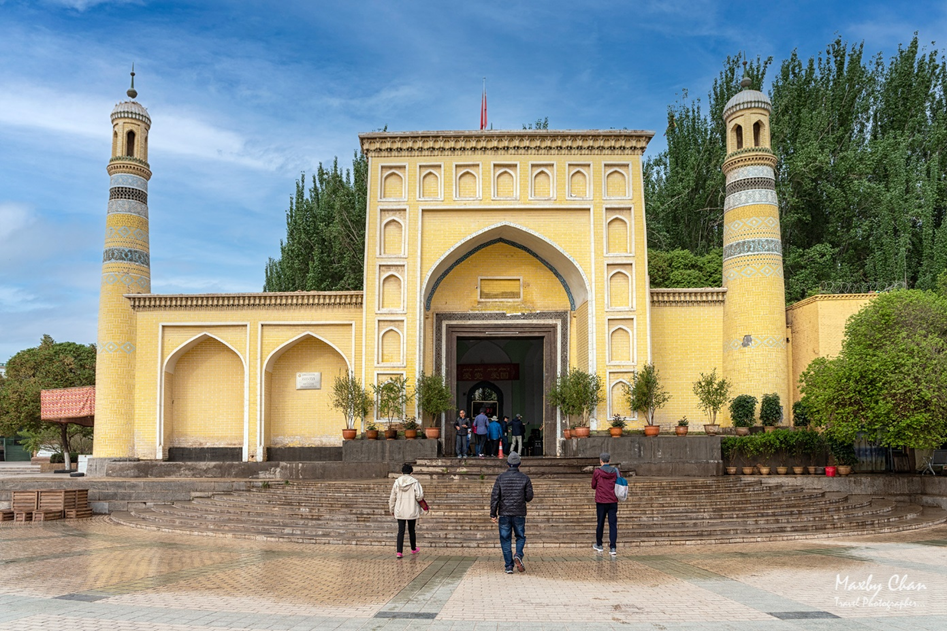
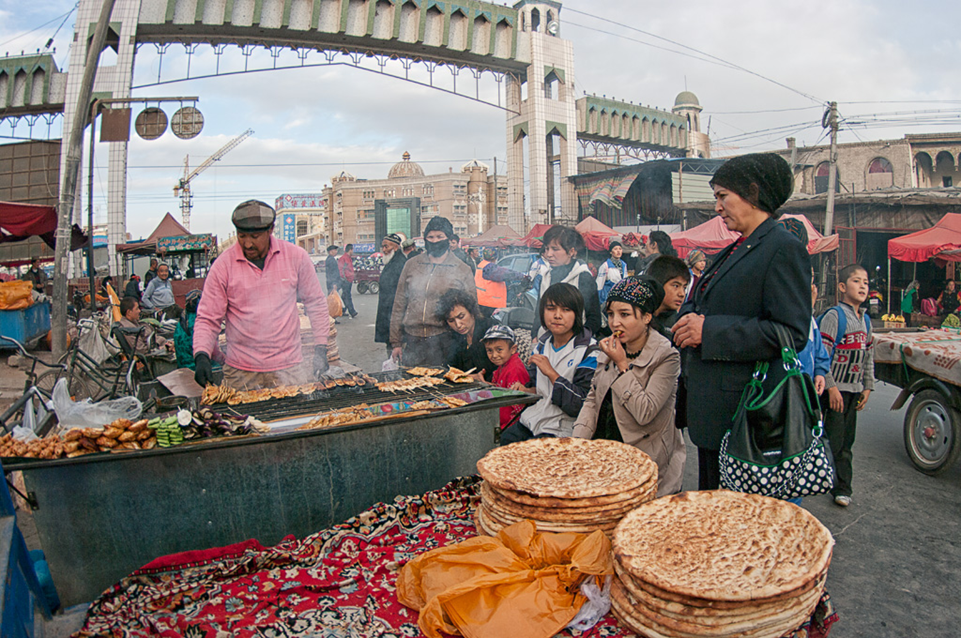
Visit the ancient town of Kuqa and the mosque. See street vendors making traditional Naan bread, Kebabs, etc.
Finally drive to Ala’er,a small but new town of culture at the north edge of Tarim River. Tarim River is the longest inland river in China(2100 kms). Ala’er is a county of “military farming”. Most of the residents here are Han Chinese.
D09 – Oct 22 Friday – Ala’er-Hotan (B,D)
Today we will drive through the famous Taklamakan Desert. We will end up at Hotan some 400km away. The journey will take about 5 to 6 hours.
In the evening, we will check into a Hotel at Hotan
D10 – Oct 23 – Saturday Hotan- Kashgar (B,L)
Hotan is famous for its white jade. We will visit the Jade Bazaar. The two rivers originate from Kunlun Mountains which brought mountain jade to Hotan. Residents still look for jade along the river banks of the river.
Then we will drive to Kashgar which is about 500km (6-7 Hours’ drive). Kashgar is the most important Oasis town along the Ancient Silk Road. It is at the crossroad between Central Asia and India.
D11 – Oct 24 Sunday – Kashgar (B,L)
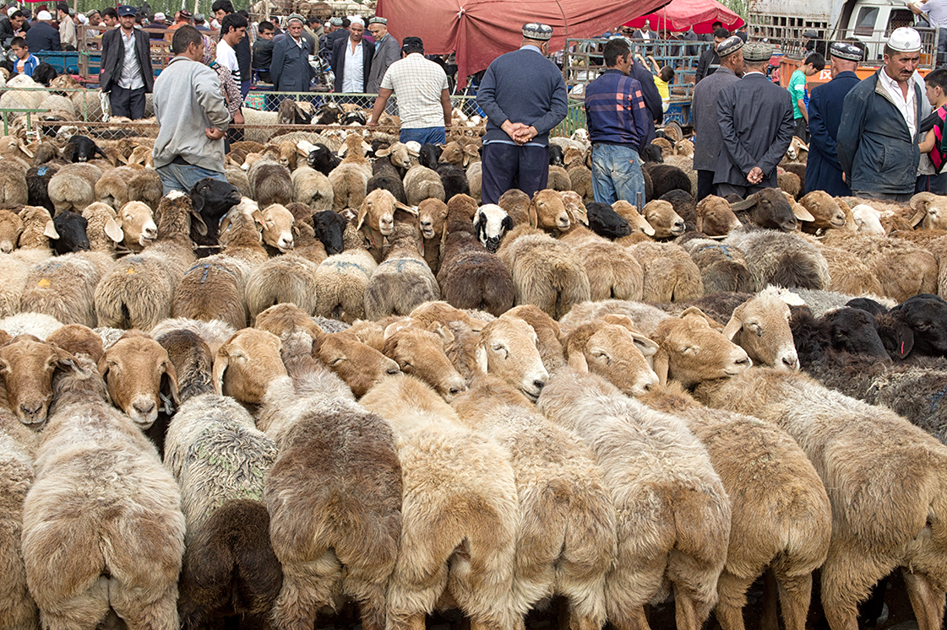
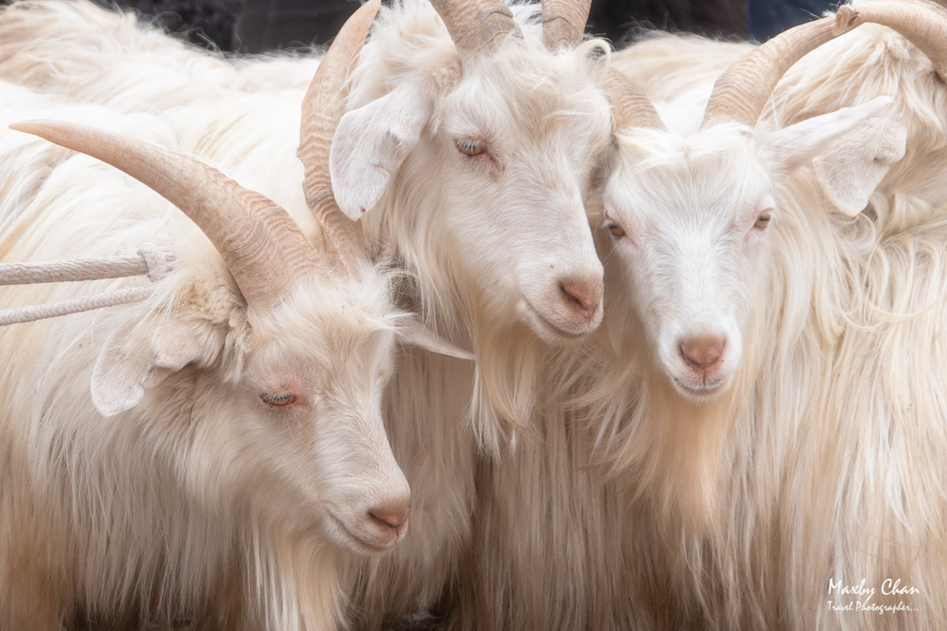
We will visit the famous ancient Animal Market. It has been trading in the last 2,000 years ago. In the old days, traders bring their worn-out camels, horses, and donkeys here to trade for fresh animals. Today, one can see goats, sheep, cows, camel, and horses being sold at this market.
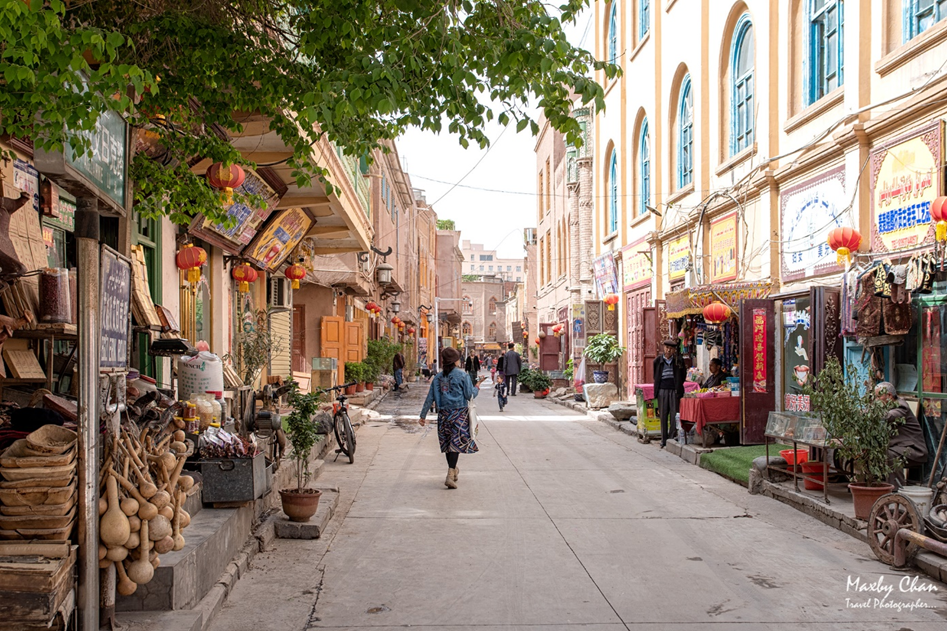
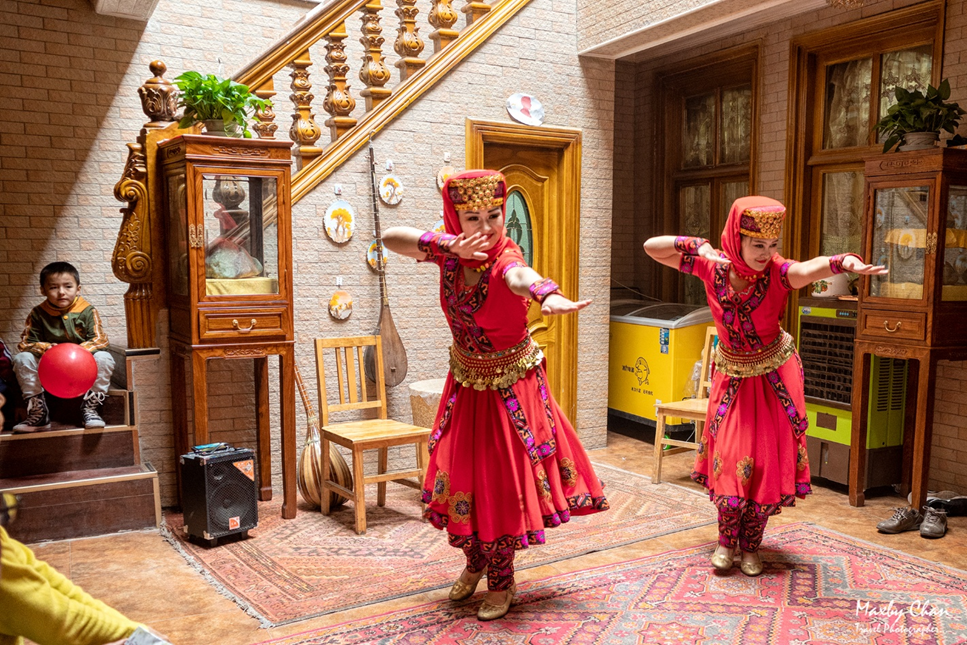
We will visit a local Uyghur family and have lunch there. After lunch we will visit the Kashgar Old Town. One can buy fresh nuts, Jujubes, raisins and other souvenirs here.
D12 – Oct 25 Monday – Kashgar-Tashkurgan County (B,L)
We drive from Kashgar to Tashkurgan via the Karakorum Highway. Tashkurgan is the border town on the Pamirs. Pakistan is about 220km away. Majority residents in Tashkurgan are the Tajiks.
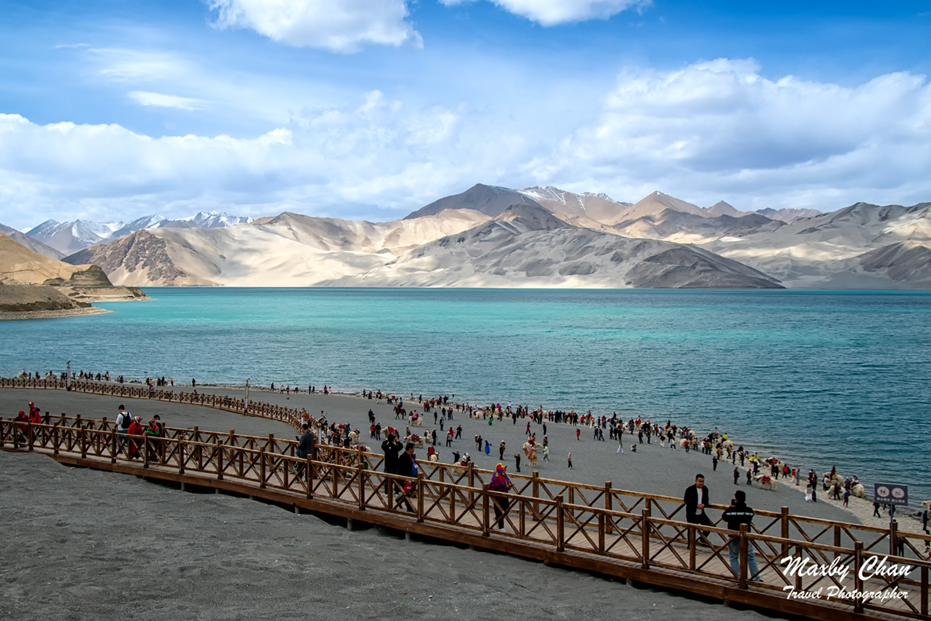
Along the way, we will stop at Karakule Lake for lunch.
D13 – Oct 26 Tuesday – Tashkurgan-Kashgar (B,D)
We will visit “Panlong Old Road”. This is a scenic point along the highway. From here one can see the 75km long road with many sharp turns. However, if it snows, we will have to skip this place.
After that we will drive back to Kashgar. (3 hours drive)
D 14 – Oct 27 Wednesday – Kashgar-Urumqi (B,D)
After breakfast, we will be transferred to the airport for the flight to Urumqi. Urumqi is the capital of Xinjiang Uyghur Autonomous Prefecture. Upon arrival. We will visit the Xinjiang Museum and the Grand Bazaar.
At night we will visit Hetian Er Street.
D15 – Oct 28 Thursday – Urumqi-Xian -Departure (B,L)
Transfer to Urumqi Airport. Fly from Urumqi to Xian (3hours flight). From Xian, we will be flying home.
End of service
Gallery